
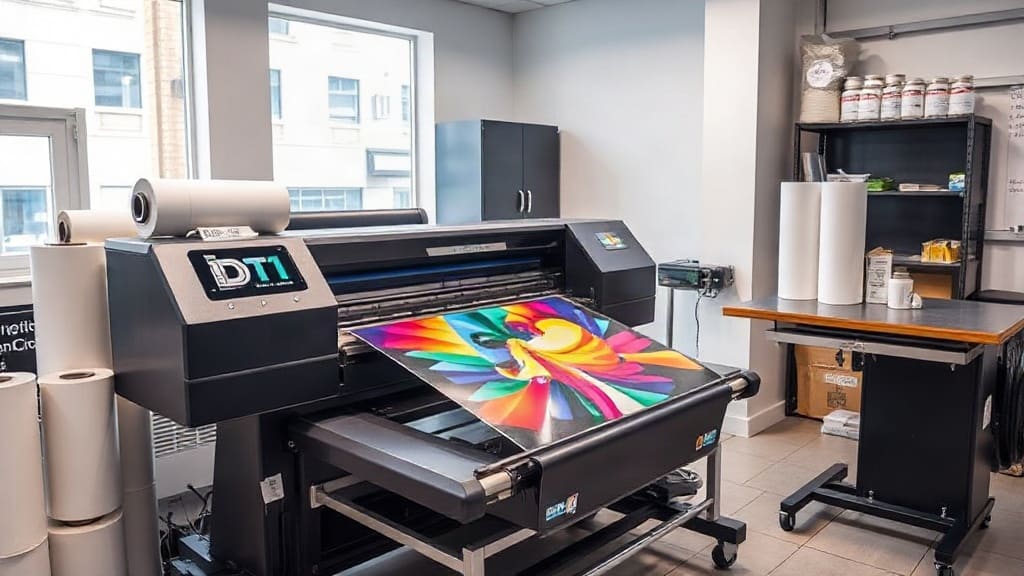
If you're looking for a versatile and cost-effective way to create custom apparel, DTF transfers are likely the solution you've been searching for. DTF, which stands for Direct to Film, is a printing method that has taken the custom printing industry by storm. Unlike traditional screen printing or heat transfer vinyl, DTF offers incredible flexibility, vibrant colors, and durability. In this guide, we'll walk you through everything you need to know about DTF transfers, from the basics to advanced tips, so you can make informed decisions for your printing projects.
What Are DTF Transfers?
DTF transfers are a type of heat transfer that uses a special film to print designs that are then transferred onto fabrics using heat and pressure. The process involves printing a design onto a PET film using DTF printers and specialized inks, then applying an adhesive powder to the printed side. After the powder is melted and cured, the transfer is ready to be pressed onto a garment. This method is popular because it works on a wide variety of materials, including cotton, polyester, blends, and even hard surfaces like mugs or wood.
How DTF Printing Works
The DTF printing process might sound complex, but it's quite straightforward once you understand the steps:
- Design Preparation: Create your artwork using graphic design software. Ensure it's the correct size and resolution (at least 300 DPI).
- Printing: Print the design onto a special PET film using a DTF printer. These printers use CMYK plus white ink to ensure vibrant colors and opacity.
- Applying Adhesive: While the ink is still wet, apply DTF adhesive powder evenly over the printed design. This powder is what allows the transfer to stick to the fabric.
- Curing: Pass the film through a heat source (like a curing oven or heat press) to melt the adhesive powder, creating a strong bond.
- Pressing: Place the transfer on the garment with the design facing down, and press it using a heat press at around 300°F for 10-15 seconds.
- Peeling: Peel the film away while it's still hot (or cold, depending on the specific product) to reveal your design.
Advantages of DTF Transfers
Why have DTF transfers become so popular? Here are some key benefits:
- Versatility: DTF transfers adhere to almost any fabric type, including tricky ones like nylon or leather. This makes them a great choice for diverse product lines.
- Color Vibrancy: The white underbase layer ensures that colors stay true and bright, even on dark fabrics.
- Durability: DTF prints are known for their excellent stretchability and resistance to cracking, peeling, and washing out.
- No Weeding: Unlike heat transfer vinyl, DTF transfers require no tedious weeding of excess material. The design is simply printed and applied.
- Cost-Effective: For small to medium runs, DTF is often more affordable than screen printing because there are no setup fees.
DTF Transfers vs. Other Methods
To fully appreciate DTF transfers, it helps to compare them with other popular printing methods.
DTF vs. Screen Printing
Screen printing is excellent for large orders with simple designs and limited colors. However, it requires significant setup time and cost. DTF transfers offer a quicker turnaround and unlimited colors, making them ideal for small batches, prototypes, or complex designs.
DTF vs. Heat Transfer Vinyl (HTV)
HTV is great for simple, single-color designs and can be weeded easily. But DTF transfers allow for full-color, detailed images without any weeding, saving time and labor. DTF also tends to be more durable than HTV.
DTF vs. Sublimation
Sublimation works only on polyester or polymer-coated items and requires white or light-colored substrates. DTF transfers work on virtually any fabric color and type, making them a more flexible option for many businesses.
How to Choose the Right DTF Transfer Supplier
If you're not printing your own DTF transfers, you'll need a reliable supplier. Whether you're purchasing pre-made designs or custom-printed transfers, consider the following:
- Quality: Look for suppliers who use high-quality inks and films. Ask for samples to test washability and durability.
- Turnaround Time: Good suppliers should offer fast production and shipping times, especially if you need transfers for customer orders.
- Pricing: Compare prices but remember that cheap transfers might not last as long or look as vibrant.
- Support: A supplier that offers excellent customer service and technical support can be a lifesaver, especially if you're new to DTF.
Tips for Applying DTF Transfers
To get the best results when applying DTF transfers, follow these tips:
- Use a Heat Press: While some people use a home iron for simple transfers, a heat press ensures even pressure and temperature, which is crucial for DTF.
- Pre-Press Your Garment: Pre-press the garment for a few seconds to remove moisture and wrinkles, ensuring a smooth application.
- Follow Temperature and Time Guidelines: Each DTF transfer may have specific instructions. Generally, press at 300-320°F for 10-15 seconds with medium to firm pressure.
- Peel Hot or Cold? Check whether your transfer is hot-peel or cold-peel. Some require hot peeling for a matte finish, while others need to cool down for a glossy look.
- Post-Press: After peeling, cover the design with a Teflon sheet and press again for a few seconds to ensure the adhesive is fully set.
Potential Challenges and Solutions
Even with the best practices, you might encounter issues. Here are common problems and how to solve them:
- Poor Adhesion: If the transfer doesn't stick, increase the pressure or temperature slightly. Also, make sure you're using the right adhesive powder and it's cured properly.
- Colors Fading: Overheating can cause colors to fade. Stick to the recommended temperature and time.
- Cracking: Cracking often happens if you use too much adhesive or if the transfer is stretched during application. Ensure the garment is flat and use the correct pressure.
- White Underbase Showing: On dark fabrics, a slight white edge can appear if you don't align the transfer properly. Take your time to position it correctly.
Creative Uses for DTF Transfers
DTF transfers are not just for t-shirts. Their versatility opens up a world of possibilities:
- Custom Apparel: Create unique designs for t-shirts, hoodies, sweatshirts, and even socks.
- Accessories: Personalize tote bags, caps, and aprons.
- Home Decor: Make custom pillows, placemats, or wall art on canvas.
- Corporate Gifts: Produce branded merchandise for company events or giveaways.
- Personalized Gifts: Design photo gifts or special occasion items for friends and family.
Frequently Asked Questions
How long do DTF transfers last?
With proper application and care, DTF transfers can last for many washes without fading or cracking. They are designed to be highly durable, but the lifespan also depends on the fabric type and washing conditions. Always wash garments inside out in cold water and avoid using bleach or high-heat drying.
Can I use DTF transfers on any fabric?
Yes, DTF transfers are one of the most versatile options. They work on cotton, polyester, blends, nylon, and even materials like leather or denim. However, for best results, always test on a small piece of the fabric first, especially if it's delicate or has a special coating.
What equipment do I need to start using DTF transfers?
At a minimum, you'll need a heat press. For printing your own transfers, you'll also need a DTF printer, DTF inks, PET film, and adhesive powder. Many businesses start by purchasing pre-printed transfers to avoid the initial investment in equipment.
Are DTF transfers eco-friendly?
DTF printing is generally considered more eco-friendly than some traditional methods because it produces less waste. However, the films and powders need proper disposal. Look for suppliers that use eco-friendly materials or offer recycling programs.
Can I sell products with DTF transfers?
Absolutely! DTF transfers are perfect for small business owners who want to offer custom products without huge inventory costs. You can even use them for print-on-demand services, creating products only after an order is placed.
Conclusion
DTF transfers are a game-changer in the custom printing world. Their versatility, durability, and ease of use make them an ideal choice for entrepreneurs, hobbyists, and established businesses alike. Whether you're looking to start a custom apparel brand or just want to make personalized gifts, DTF transfers offer a practical and affordable solution. By understanding the process, benefits, and best practices, you can produce professional-quality items that will impress your customers or friends. So why wait? Dive into the world of DTF transfers and unleash your creativity today!