
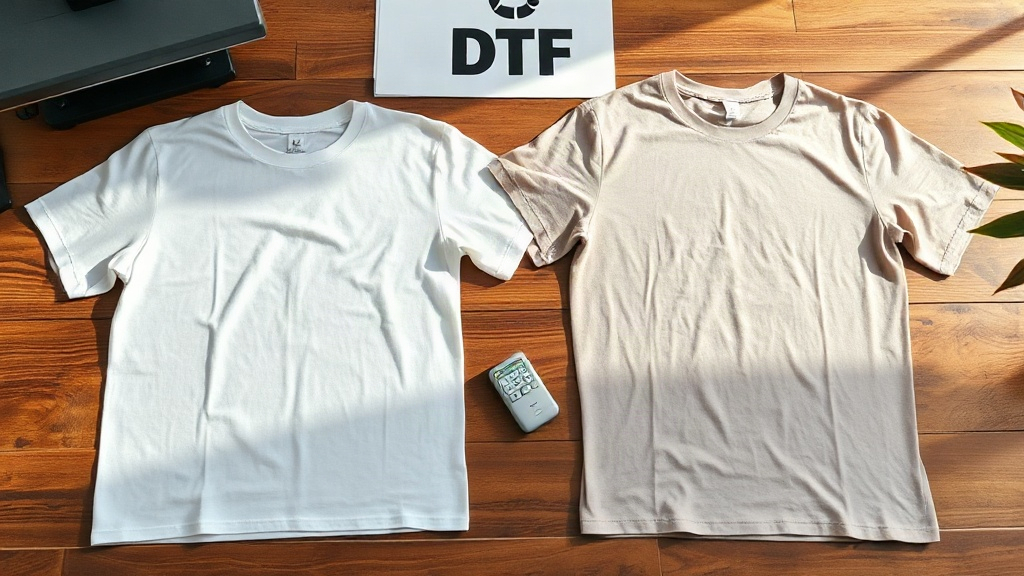
When you're printing DTF transfers, the blank you choose is just as important as the transfer itself. A bad blank can ruin an otherwise perfect print, while the right one makes every design look professional and durable. Two names that come up often in decorating circles are Smart Blanks and Shaka Wear. Both have loyal followings, but they serve different needs. In this article, I'll share my hands-on experience with both, breaking down fabric quality, fit, printability, and overall value so you can decide which blank belongs in your shop.
Why the Blank Matters for DTF Printing
DTF transfers are versatile, but they aren't magic. The adhesive needs a smooth, clean surface to bond properly. If the fabric is too rough, too stretchy, or coated with a finish that repels ink, you'll see cracking, peeling, or dull colors. That's why experienced printers test every new blank before committing to a bulk order. I learned this the hard way when I tried a discount blank that looked great in photos but felt like sandpaper. The print flaked off after two washes. Since then, I've stuck to brands that prioritize consistency.
Smart Blanks: The Everyday Workhorse
Smart Blanks has built a reputation for reliable, budget-friendly garments that take DTF well. I've used their 100% cotton tees for dozens of orders, from small batch custom shirts to large events. Here's what stands out:
- Fabric weight: Most styles sit around 5.3 oz, which is substantial enough for everyday wear without feeling heavy.
- Surface smoothness: The cotton is ring-spun and combed, giving a soft hand that DTF transfers adhere to beautifully.
- Consistency: Batch to batch, the color and sizing stay true. That's crucial when you're reprinting a popular design months later.
- Price point: They're affordable, often under $5 per shirt in bulk, making them ideal for high-volume orders.
One caveat: Smart Blanks offers a range of blends, and not all are equally DTF-friendly. I've found that their 100% cotton and cotton/poly blends (50/50 or 60/40) work best. Pure polyester can be tricky because the transfer sits on top of the fabric and may feel stiff. Always check the fabric content before ordering.
Printing on Smart Blanks: My Process
For Smart Blanks, I set my heat press to 325°F for 15 seconds with medium pressure. I use a Teflon sheet or parchment paper to protect the transfer. After pressing, I peel while hot for a matte finish, or cold for a glossier look. The prints come out vibrant and stretch with the fabric without cracking. I've washed test shirts over 20 times, and they still look fresh. The only issue I've encountered is with darker colors; sometimes the white underbase in the DTF transfer needs a slightly longer press to fully cure. A quick second press of 5 seconds solves it.
Shaka Wear: Heavyweight and Streetwear-Ready
Shaka Wear is a different beast. Known for their heavyweight tees, they cater to streetwear brands and anyone who wants a boxy, durable garment. Their classic 7.5 oz tee is a favorite among skaters and hip-hop artists. Here's how it performs with DTF:
- Fabric weight: At 7.5 oz, it's noticeably thicker than Smart Blanks. The shirt feels premium and holds its shape.
- Texture: The cotton is carded open-end, which gives a slightly rougher surface. DTF transfers still adhere well, but you might see a bit more texture through the print.
- Fit: Boxy and oversized. If you're going for that modern streetwear look, Shaka Wear nails it.
- Durability: These shirts are built to last. They withstand heavy wear and frequent washing without losing shape.
However, Shaka Wear isn't for every project. The heavier fabric means your DTF transfer needs a bit more pressure and time to penetrate the fibers. I typically press at 340°F for 20 seconds with firm pressure. Also, because the shirt is thicker, the print may feel more raised on the surface. For large, detailed designs, this can be a downside if you want a seamless feel. But for bold, simple graphics, it works great.
DTF on Shaka Wear: Tips and Tricks
When printing on Shaka Wear, I recommend pre-pressing the shirt for 5 seconds to remove moisture and wrinkles. This step is critical because the heavy cotton can trap moisture, leading to poor adhesion. I also use a lower peel temperature: let the transfer cool completely before peeling. This prevents the adhesive from stretching and keeps edges crisp. For dark garments, a double press (10 seconds, cool, then 5 seconds) ensures the white underbase is fully opaque. I've had success with both small chest logos and large back prints, but I avoid very fine details because the texture can cause slight distortion.
Head-to-Head Comparison
Let's break down the key differences:
- Weight: Smart Blanks (5.3 oz) vs Shaka Wear (7.5 oz). Choose based on desired feel.
- Surface: Smart Blanks is smoother, ideal for intricate DTF designs. Shaka Wear has more texture, better for bold graphics.
- Price: Smart Blanks is generally more affordable, especially in bulk. Shaka Wear costs more but offers a premium feel.
- Fit: Smart Blanks has a standard unisex fit. Shaka Wear is boxy and oversized.
- DTF Performance: Both accept DTF well, but Smart Blanks requires less adjustment. Shaka Wear needs higher heat and pressure.
In my shop, I keep both on hand. For clients who want a soft, everyday tee at a low price, I reach for Smart Blanks. For streetwear brands or anyone wanting that heavyweight, structured look, Shaka Wear is the clear choice. Neither is inherently better; it depends on the project and the customer.
Which Blank Should You Choose?
If you're just starting with DTF transfers, I'd suggest ordering a few of each and running your own tests. Every heat press behaves differently, and your environment (humidity, altitude) can affect results. Pay attention to how the transfer adheres, how it feels after washing, and how the colors pop. For most beginners, Smart Blanks offers an easier learning curve because it's more forgiving. Once you're comfortable, experimenting with Shaka Wear can expand your offerings. Remember, the best blank is the one that matches your customer's needs and your production capabilities.
Frequently Asked Questions
Can I use DTF transfers on both Smart Blanks and Shaka Wear?
Yes, both brands work well with DTF transfers. Smart Blanks tends to be more forgiving due to its smoother surface, while Shaka Wear requires slightly higher heat and pressure because of its heavier, textured fabric. Always test a sample first.
Which brand is better for dark-colored shirts?
Both handle dark colors, but Smart Blanks often produces a softer hand because the fabric is lighter. Shaka Wear's heavyweight cotton can make the print feel thicker. For dark colors, ensure your DTF transfer has a good white underbase and press thoroughly to avoid show-through.
How do I prevent cracking on Shaka Wear after washing?
Wash the garment inside out in cold water and tumble dry low. Avoid fabric softener and bleach. Also, make sure your initial press is adequate: 340°F for 20 seconds with firm pressure. If cracking occurs, you may need to increase pressure or time slightly.
Are Smart Blanks true to size?
Smart Blanks generally run true to size for unisex styles. However, if you're used to premium fashion brands, you might find them slightly roomier. Always check the specific size chart for the style you're ordering, as fits can vary between models.
Can I mix Smart Blanks and Shaka Wear in the same order?
Absolutely. Many decorators offer both options to give customers a choice between a lightweight and heavyweight tee. Just be aware that your pricing and production process may differ slightly. For DTF, you'll need to adjust your press settings accordingly.