
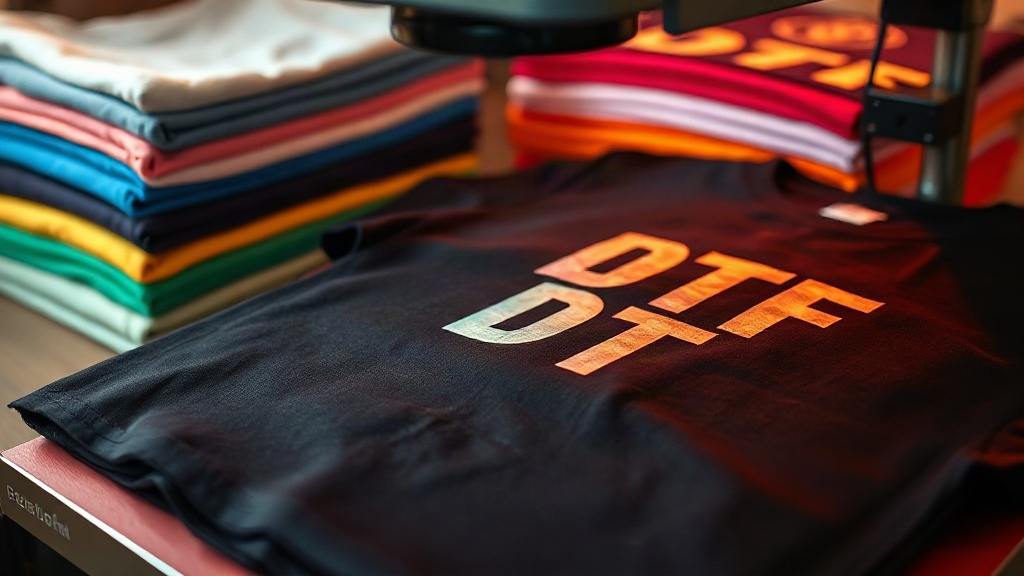
If you've ever pulled a heat press open only to find a cracked, faded, or peeling design, you know the frustration. The culprit often isn't your dtf transfers or your press settings; it's the blank you chose. In the custom apparel world, not all t-shirts are created equal. That's where the concept of smart blanks comes in. These are garments specifically engineered to work seamlessly with DTF printing, ensuring your designs look sharp and last wash after wash. In this post, I'll share why smart blanks matter, how to identify them, and why brands like Shaka Wear have become a go-to for professionals.
What Are Smart Blanks and Why Do They Matter?
Smart blanks are not just any t-shirt. They are garments manufactured with tight quality control, consistent fabric blends, and finishes that complement the DTF transfer process. Unlike standard blanks that may have uneven surfaces, high lint, or chemical treatments that repel adhesives, smart blanks provide an ideal canvas for your designs.
When you use a smart blank, you're not just improving print quality; you're also reducing waste and returns. Imagine pressing a dozen shirts and having every single one come out perfect. That's the power of pairing the right blank with your dtf transfers. It's a game-changer for small business owners who can't afford to redo orders.
Key Characteristics of Smart Blanks
So, what makes a blank "smart"? Let's break down the features you should look for:
- Fabric Consistency: Smart blanks use high-quality cotton or cotton-poly blends that are evenly woven. This prevents the fabric from stretching or sagging during pressing, which can distort your transfer.
- Smooth Surface: A smooth, lint-free surface ensures the DTF adhesive can bond uniformly. Any texture or fuzz can cause the transfer to lift prematurely.
- Minimal Shrinkage: Pre-shrunk fabrics are a hallmark of smart blanks. You don't want your customer's shirt to shrink after the first wash, ruining the fit and the print.
- Neutral pH: Some fabrics are treated with chemicals that can interfere with the adhesive. Smart blanks are free from such treatments, ensuring a strong bond.
- Colorfastness: Dye migration is a real issue with DTF, especially on dark garments. Smart blanks are dyed using methods that lock in color, preventing it from bleeding into your transfer.
These characteristics might seem technical, but they translate directly into better results and happier customers.
Why Shaka Wear Stands Out as a Smart Blank
Among the many blank brands available, Shaka Wear has earned a reputation for being exceptionally DTF-friendly. Their shirts are made from 100% cotton or cotton-poly blends that are soft, durable, and consistent. I've personally tested Shaka Wear tees with various dtf transfers, and the results speak for themselves.
What sets Shaka Wear apart is their attention to detail. Their fabrics are ring-spun, which means they're smoother and stronger than conventional cotton. This smoothness allows the DTF adhesive to grip evenly, resulting in vibrant, long-lasting prints. Additionally, Shaka Wear offers a wide range of colors, including heathers and neons, that hold up well under heat. If you're serious about quality, Shaka Wear is a smart choice.
How to Choose the Right Smart Blank for Your DTF Transfers
Not all smart blanks are created equal, and the best choice depends on your specific needs. Here are some factors to consider:
- Fabric Content: 100% cotton is great for a soft feel, but cotton-poly blends can offer better durability and color retention. For DTF, both work well if the fabric is smooth.
- Weight: Lighter fabrics (4.5 oz) are comfortable for summer, while heavier (6 oz) provide a premium feel. Heavier fabrics can also handle more intricate transfers without distortion.
- Color: If you're printing on dark colors, ensure the blank is dye-fast. Shaka Wear excels here.
- Fit: Consider your target audience. Shaka Wear offers classic and modern fits, so you can cater to different preferences.
- Budget: Smart blanks might cost slightly more, but the savings from reduced waste and returns often outweigh the upfront cost.
Maximizing Your DTF Transfers with Smart Blanks
Even with the best blank, your technique matters. Here are some tips to get the most out of your dtf transfers when using smart blanks like Shaka Wear:
- Pre-press the garment: This removes moisture and wrinkles, creating a smooth surface for the transfer.
- Use the right pressure: Medium to firm pressure is usually ideal. Too little pressure and the transfer won't adhere; too much and you risk flattening the fabric.
- Follow temperature guidelines: DTF transfers typically require 300-325°F for 10-15 seconds. Always check your transfer supplier's recommendations.
- Peel correctly: Wait for the transfer to cool completely before peeling the film. This prevents the design from stretching or cracking.
- Post-press for durability: A quick second press with a cover sheet can improve washability.
These steps, combined with a quality blank, will give you professional-grade results every time.
Common Mistakes to Avoid with DTF Transfers
Even seasoned pros make mistakes. Here are a few to watch out for:
- Using fabric softener: It leaves a residue that prevents adhesion. Always wash new blanks without softener before pressing.
- Ignoring fabric texture: Rough or heavily textured fabrics (like some polyesters) can cause transfers to peel. Stick to smooth smart blanks.
- Overstretching the garment: When loading the shirt onto the press, avoid stretching it. Let it lay naturally.
- Skipping the test press: Always test a new blank and transfer combination on a scrap piece to dial in your settings.
Frequently Asked Questions
What exactly are smart blanks?
Smart blanks are garments designed with features that optimize them for DTF printing, such as consistent fabric, smooth surface, and dye-fast colors. They ensure better adhesion and longevity of dtf transfers.
Why is Shaka Wear recommended for DTF transfers?
Shaka Wear uses high-quality, ring-spun cotton and blends that are smooth and durable. Their consistent quality and colorfastness make them ideal for DTF, resulting in vibrant, long-lasting prints.
Can I use any blank for DTF transfers?
While you can use many blanks, not all will yield optimal results. Blanks with rough textures, high lint, or chemical treatments can cause poor adhesion. Using smart blanks like Shaka Wear minimizes these risks.
How do I know if a blank is DTF-friendly?
Look for blanks that are smooth, pre-shrunk, and made from 100% cotton or cotton-poly blends. Brands that specify DTF compatibility, like Shaka Wear, are a safe bet. You can also do a test press to check adhesion.
What temperature should I use for DTF transfers on smart blanks?
Most DTF transfers require 300-325°F (150-160°C) for 10-15 seconds. However, always follow the specific instructions from your transfer supplier, as formulations can vary.
Final Thoughts
Choosing the right blank is just as important as choosing the right transfer. Smart blanks are the foundation of a successful DTF printing process, and Shaka Wear stands out as a reliable, high-quality option. By understanding the characteristics of smart blanks and following best practices, you can deliver custom apparel that impresses customers and stands the test of time. Whether you're a hobbyist or a growing business, investing in quality blanks will pay off in the long run.