
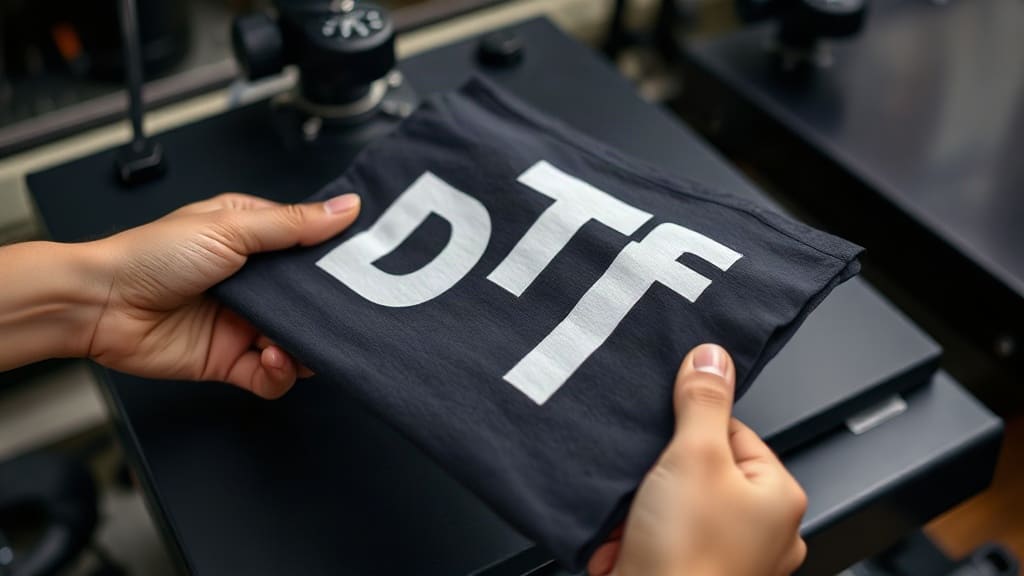
If you've been exploring custom apparel printing, you've likely heard about DTF (Direct to Film) technology. It's changing the game for small businesses and hobbyists alike. But when you start searching for DTF transfers, you might wonder, "Where is the best place to get them?" Whether you're in a big city or a small town, the phrase DTF transfers near me probably pops into your head. In this guide, I'll walk you through what to look for, what to avoid, and how to get the most out of your local DTF printing service.
Let me start with a personal story. A few years ago, I bought a heat press and started making custom shirts for friends and family. I was ordering DTF transfers from online shops, but shipping was slow, and sometimes the colors didn't match what I saw on my screen. That's when I decided to search for DTF transfers near me. To my surprise, I found a local print shop that offered DTF transfers. Not only did I save on shipping time, but I could also see and feel the product before buying. That experience taught me the value of local sourcing.
Understanding DTF Transfers
Before you pick a provider, it's crucial to understand what you're buying. DTF stands for Direct to Film. It's a process where a design is printed onto a special PET film, coated with adhesive powder, and then heat-pressed onto a garment. The result is a vibrant, stretchable, and durable print that works on various fabrics, including cotton, polyester, blends, and even leather.
Unlike traditional screen printing or heat transfer vinyl, DTF transfers offer several advantages. First, they don't require weeding (removing excess material), which saves a ton of time. Second, they can reproduce complex, multi-colored designs with high detail. Third, you can apply them to a wide range of fabrics without worrying about the texture or weave. That's why many custom apparel creators are switching to DTF.
Why Search Locally for DTF Transfers?
When you type "DTF transfers near me" into Google, you might get a mix of local print shops and online services that claim to be nearby. But why should you consider a local provider? Here are some compelling reasons:
- Faster Turnaround: You can skip shipping delays, which is crucial if you have a deadline for an event or a customer order.
- Quality Inspection: You can visit the shop, see samples, and even test a transfer before committing to a bulk order.
- Personalized Service: Local businesses often offer more flexibility and direct communication. You can discuss your design, ask questions, and get immediate feedback.
- Support Local Economy: You're helping a small business in your community, which is a great feeling.
Of course, not all local providers are equal. You need to evaluate them carefully.
How to Find the Best DTF Transfer Provider Near You
Let's break down the process of finding the right DTF transfers near me into actionable steps.
1. Start with a Simple Online Search
Use search engines and maps. Search for "DTF transfers near me" or "DTF printing near me." Look at the results, but don't stop at the first page. Check Google Maps for local businesses that offer DTF services. Read their reviews and ratings. Pay attention to recent reviews, as they reflect the current quality.
2. Ask for Recommendations
If you know other people in the custom apparel industry, ask them where they get their DTF transfers. You can also join local Facebook groups or online forums dedicated to printing and crafting. Personal recommendations often lead to reliable providers.
3. Evaluate Their Portfolio
Once you have a few candidates, visit their website or social media pages. Look for their portfolio of past work. Check if they have handled projects similar to yours. For example, if you need DTF transfers for sports jerseys, see if they have examples of that. A good provider will showcase their capabilities.
4. Request Samples
Don't be shy about asking for samples. A reputable provider will be happy to show you physical samples of their DTF transfers. If they don't have samples, or if they are hesitant, that's a red flag. A sample lets you assess the print quality, the feel, and the durability.
5. Ask About Their Equipment and Materials
The quality of DTF transfers depends heavily on the equipment and materials used. Ask questions like: What type of printer do you use? What kind of film and adhesive powder do you use? What inks? A professional provider will be transparent about their process. They might even let you watch a demo.
6. Compare Pricing
While price shouldn't be the only factor, it's important to get a fair deal. Ask for quotes from multiple providers. Be wary of prices that are significantly lower than the market average. They might be using subpar materials or cutting corners. On the other hand, high prices don't always guarantee quality. Look for a balance between cost and value.
7. Check Turnaround Time
Ask about their typical turnaround time for orders. If you need a rush order, make sure they can accommodate it. Some local shops offer same-day or next-day service for small orders. That's a huge advantage over online ordering.
8. Read Reviews and Testimonials
Search for the business name along with keywords like "reviews" or "testimonials." Look for patterns in feedback. If multiple customers complain about colors fading or transfers peeling, that's a warning. Positive reviews about durability and customer service are good signs.
What to Look for in a DTF Transfer
When you're evaluating DTF transfers, pay attention to these details:
- Print Resolution: The design should be sharp and clear, without visible pixelation or blurriness.
- Color Accuracy: The colors should closely match your digital design. Be aware that some variation is normal due to screen calibration, but the transfer should not look washed out or overly saturated.
- Adhesive Coating: The adhesive powder should be evenly applied. You can check the back of the transfer; it should have a slightly textured feel.
- Film Quality: The PET film should be clean and free of bubbles or wrinkles. A good film will release cleanly after pressing.
- Stretchability: A quality DTF transfer will stretch with the fabric without cracking. You can test this by pressing a sample and stretching it.
Common Mistakes to Avoid When Choosing a DTF Provider
Here are some pitfalls to watch out for:
Mistake 1: Choosing Solely Based on Price
We all love a good deal, but if you choose the cheapest option, you might end up with transfers that don't last. Inferior materials can crack, fade, or peel after a few washes. In the long run, you'll spend more money reordering.
Mistake 2: Ignoring the Whiteness of the Transfer
If you're printing on dark fabrics, a white underbase is essential. Some low-quality DTF providers don't apply enough white ink, causing the design to look translucent. Make sure the white layer is opaque.
Mistake 3: Not Checking the Durability
Ask about the lifespan of their DTF transfers. A good transfer should withstand at least 50 washes without significant fading. If they can't give you a clear answer, be cautious.
Mistake 4: Overlooking the Importance of Customer Service
If you have a problem with an order, how does the provider handle it? Good communication is key. A local provider who values your business will resolve issues quickly.
How to Get the Most Out of Your DTF Transfers
Once you've found a reliable local provider, you need to know how to apply DTF transfers correctly. Here are some tips:
1. Use the Right Heat Press Settings
Temperature, pressure, and time are crucial. Most DTF transfers require a temperature of around 300°F (150°C) to 320°F (160°C), medium to firm pressure, and a press time of 10 to 15 seconds. But always follow the manufacturer's instructions that come with your transfers.
2. Pre-Press Your Garment
To remove moisture and wrinkles, pre-press your garment for a few seconds. This ensures a smooth surface for the transfer.
3. Position the Transfer Carefully
Use a heat-resistant tape or a temporary adhesive spray to hold the transfer in place. This prevents shifting during pressing.
4. Press with Even Pressure
Make sure the heat press platen is evenly applied. If you're using a clamshell press, it's easy to apply uneven pressure. A swing-away press is better for even distribution.
5. Peel While Hot or Cold?
Some DTF transfers require hot peeling, some cold. Check the instructions. Typically, hot peeling is faster, but cold peeling gives a matte finish. Experiment to see what you prefer.
6. Post-Press for Extra Durability
After peeling, you can place a Teflon sheet or parchment paper over the design and press again for a few seconds. This helps the adhesive fully bond and increases wash durability.
Real-Life Success Stories with Local DTF
Let me share another story. A friend of mine started a custom tumbler business. She was using vinyl, but it was time-consuming. She found a local DTF transfers provider and decided to try them. She ordered a batch of transfers with her logo and designs. The quality was so good that she could produce more items in a shorter time. Her customers loved the vibrant colors, and she saw a boost in sales. She now relies on that local provider for all her DTF needs.
Another example: a local sports team needed matching jerseys for a tournament. They had a tight deadline. They searched for "DTF transfers near me" and found a shop that could print and press the transfers in just two days. The team got their jerseys on time, and the prints survived the intense washes of the season.
Frequently Asked Questions
1. How much do DTF transfers cost compared to screen printing?
For small to medium runs, DTF transfers are often more cost-effective than screen printing because there are no setup fees. You can order as few as one transfer, while screen printing usually has a minimum order quantity. For large runs, screen printing might be cheaper per piece, but DTF offers flexibility and quicker turnaround.
2. Can I use DTF transfers on any fabric?
Yes, DTF transfers work well on cotton, polyester, blends, nylon, and even leather. However, for very stretchy fabrics like spandex, you need to ensure the transfer has good elasticity. Always test a sample first.
3. How long do DTF transfers last?
A high-quality DTF transfer can last for 50 to 100 washes if applied correctly. The durability depends on the quality of the materials and the pressing process. To maximize lifespan, wash garments inside out in cold water and avoid using bleach.
4. Do I need a heat press to use DTF transfers?
Yes, you need a heat press to apply DTF transfers. A home iron is not recommended because it doesn't provide even pressure and temperature, which can lead to poor adhesion and peeling.
5. What file format should I provide for DTF transfers?
Most providers accept high-resolution PNG files with transparent backgrounds. They might also accept AI, PSD, or PDF files. Always check with your provider for their preferred format. Ensure your design is at least 300 DPI for crisp prints.
Conclusion: Make the Smart Choice
When you're looking for DTF transfers near me, remember that the goal is to find a provider who offers high-quality products, good customer service, and reasonable prices. Take the time to research, ask for samples, and compare options. A local provider can be a valuable partner for your printing projects, offering speed, convenience, and personal attention that online giants can't match.
So, the next time you type "DTF transfers near me" into a search bar, you'll know exactly what to look for. Whether you're a seasoned printer or just starting, the right local partner can make all the difference. Start your search today, and you'll soon be pressing perfect DTF designs with confidence.