
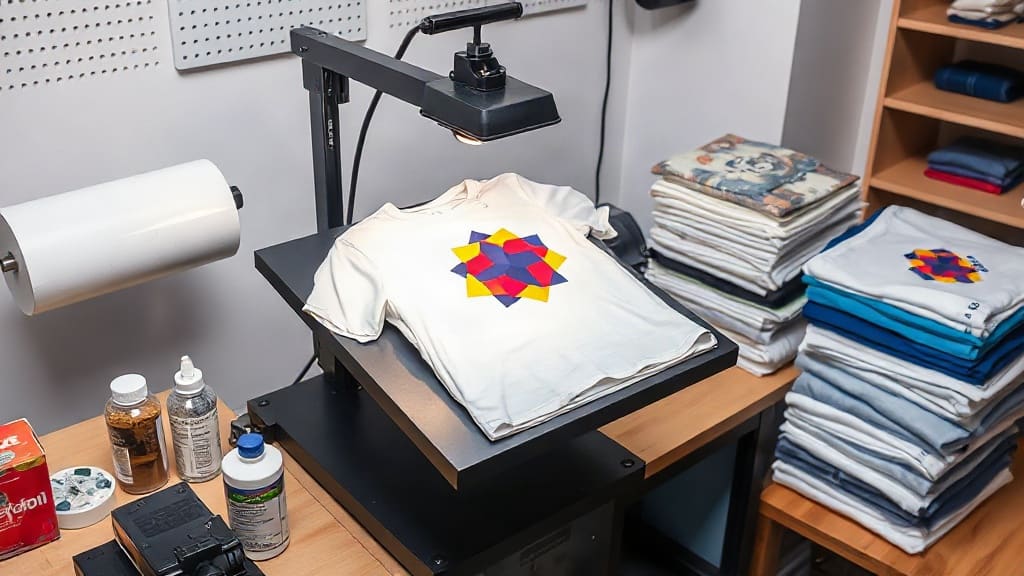
Direct to film, commonly known as DTF transfers, is revolutionizing the custom apparel industry. If you've been searching for a versatile, cost-effective way to create vibrant designs on various fabrics, you've likely stumbled upon this technology. Unlike traditional methods that require screens or expensive equipment, DTF offers a straightforward approach that even small businesses can adopt. In this guide, we'll dive deep into what makes these transfers so special, how they work, and how you can use them to take your printing game to the next level.
What Are DTF Transfers?
DTF transfers are printed designs on a special film that are then heat-pressed onto fabric using adhesive powder. This process allows you to transfer detailed, full-color images onto shirts, bags, hats, and more. The magic lies in the film: it carries the design with a layer of adhesive that bonds to the fabric fibers when heat and pressure are applied. Unlike vinyl, which often feels stiff, or screen printing, which can be heavy, DTF prints are soft and durable.
The History and Evolution
The technique emerged as an alternative to direct-to-garment (DTG) printing, which requires expensive printers and pre-treatment for each garment. DTF was introduced around 2015 and gained traction because it allows bulk production without sacrificing detail. Today, it's a favorite among custom apparel makers because it works on both cotton and polyester blends, which was a challenge with older methods.
How Does DTF Printing Work?
Understanding the process helps you appreciate the technology. It starts with a digital design, which is printed onto a PET film using specialized DTF printers and CMYK plus white ink. After printing, a hot-melt adhesive powder is applied to the wet ink. The powder is then melted and cured using heat. Once cooled, the transfer is ready to be pressed onto a garment.
Step-by-Step Process
- Design: Create or choose a high-resolution image.
- Print: The design is printed in reverse onto the film.
- Adhesive: Powder is spread over the print, adhering to the ink.
- Cure: Heat activates the adhesive, making it tacky.
- Press: The film is placed on the fabric, and heat press applies pressure for 10-15 seconds.
- Peel: After cooling, the film is peeled away, leaving the design on the fabric.
Why Choose DTF Over Other Methods?
There are several reasons why DTF transfers are gaining popularity among printers and hobbyists alike. First, they offer incredible color vibrancy and detail, making them perfect for complex graphics. Second, they are durable; they can withstand multiple washes without cracking or fading. Third, they are versatile: you can apply them to various fabrics, including cotton, polyester, nylon, and blends, without needing special pre-treatment.
Cost-Effectiveness
For small runs or even single pieces, DTF is more economical than screen printing, which has high setup costs. You don't need to create screens or burn stencils; just print and press. This lowers the barrier for small businesses and DIY enthusiasts.
Ease of Use
Unlike DTG, DTF doesn't require a flatbed printer or pre-treatment. You can use a standard heat press, and the process is quick. This makes it accessible to those who are new to apparel printing.
DTF vs. Other Transfer Methods
To truly appreciate DTF, it's helpful to compare it with alternatives like screen printing, heat transfer vinyl (HTV), and DTG.
Screen Printing
Screen printing is great for large orders because the per-unit cost decreases with volume. However, it struggles with photorealistic images and multiple colors because each color requires a separate screen. DTF handles gradients and shadows effortlessly, giving you more creative freedom.
Heat Transfer Vinyl
HTV is perfect for simple designs with fewer colors. It involves cutting vinyl and weeding out excess, which is time-consuming for complex artwork. DTF eliminates weeding and allows full-color prints without layers.
DTG Printing
DTG prints directly onto the garment, offering high quality and softness. But it requires expensive printers and frequent maintenance. DTF transfers can be produced in batches and stored for later use, giving you flexibility.
Best Practices for Using DTF Transfers
Getting the best results with DTF transfers requires attention to detail. Here are some tips to ensure your prints look professional and last long.
Choose High-Quality Films and Inks
The quality of your materials matters. Invest in reliable PET film and eco-friendly inks that are vibrant and fade-resistant. Cheap supplies may save money initially but could lead to poor adhesion or cracking.
Proper Heat Press Settings
Temperature and pressure are crucial. Typically, you'll need a temperature around 320°F (160°C), medium pressure, and 10-15 seconds of pressing. Always test on a scrap piece of fabric first to adjust for your specific materials.
Fabric Preparation
Make sure the fabric is clean and free of wrinkles. Pre-press the garment for a few seconds to remove moisture and flatten it. This ensures better adhesion and a smoother finish.
Peel Technique
After pressing, wait for the film to cool slightly before peeling. Hot peeling can sometimes pull the adhesive away. For intricate designs, cold peel might be safer. Follow the instructions from your transfer supplier.
Common Applications and Creative Ideas
DTF transfers are incredibly versatile. You can use them for:
- Personalized t-shirts for events, birthdays, or family reunions.
- Custom workwear with logos and names.
- Sports jerseys and team apparel, even with numbers and player names.
- Tote bags, caps, and other accessories.
- Home décor like pillow covers and wall art.
Business Opportunities
If you're thinking about starting a custom apparel business, DTF can be your entry point. With a heat press and a DTF printer, you can fulfill orders from your garage. You can also partner with local businesses to provide branded merchandise.
Troubleshooting Common Issues
Even experienced printers face challenges. Let's address some frequent problems and their solutions.
Adhesion Failure
If the transfer doesn't stick well, check your temperature and pressure. Increase the temperature slightly or press longer. Also, ensure the adhesive powder is evenly applied and fully cured.
Cracking After Wash
This often happens due to under-curing or using low-quality powder. Make sure the adhesive is fully melted during the press and that you're using a reputable brand. Washing inside out and using cold water can also extend the life of the print.
Print Fading
Fading can be a result of low-quality inks or insufficient curing. Invest in high-grade inks and ensure the printed film is thoroughly dried before applying powder. Also, avoid over-pressing, which can burn the design.
Future Trends in DTF Technology
The industry is evolving, and DTF is no exception. Newer printers offer higher resolution and faster speeds. Eco-friendly inks and recyclable films are becoming more common, addressing environmental concerns. Additionally, automation in powder application and curing is making the process even more efficient.
Frequently Asked Questions
Can DTF transfers be used on dark fabrics?
Yes, DTF transfers are perfect for dark fabrics because the white ink layer serves as an underbase, ensuring the colors pop. You don't need to apply a separate white base, as you would with other methods.
How durable are DTF transfers?
When applied correctly, DTF transfers are highly durable. They can withstand 30-50 washes without significant fading or cracking, making them suitable for everyday wear.
What is the difference between DTF and sublimation?
Sublimation works only on polyester fabrics and becomes part of the fabric, while DTF works on any material. DTF also offers a softer feel and doesn't require special coatings.
Do I need a special printer for DTF?
Yes, you need a printer that can handle DTF inks and films. Epson and Ricoh models are often converted for DTF. You also need a powder shaker and a heat press.
Can I use DTF transfers on items other than clothing?
Absolutely. You can apply DTF transfers to tote bags, caps, mouse pads, and even leather if the surface can withstand heat. Just ensure you use suitable pressure and time.
DTF transfers offer a perfect blend of quality, convenience, and affordability. Whether you're a hobbyist or a business owner, mastering this technique can open up new possibilities. Start experimenting with different fabrics and designs, and you'll soon realize why this method is becoming the go-to choice for custom apparel. Remember to invest in quality materials, follow best practices, and don't be afraid to troubleshoot. Happy printing!