
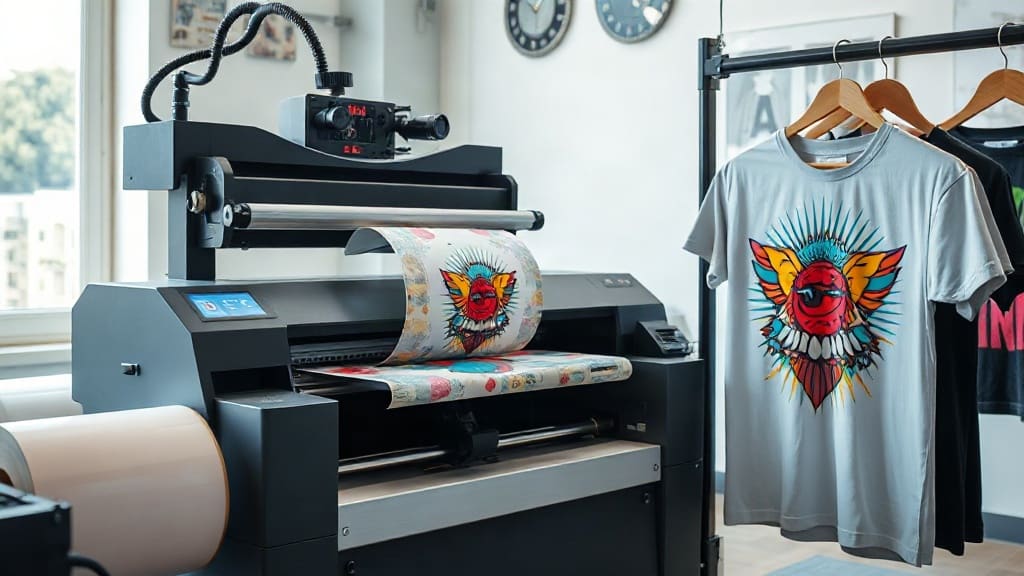
If you are looking for a versatile and cost-effective way to print custom apparel, DTF transfers might be exactly what you need. DTF, which stands for Direct to Film, has taken the custom printing industry by storm. This method allows you to print vibrant, detailed designs onto a special film, then transfer them onto a variety of fabrics using heat and pressure. Whether you are a small business owner, a hobbyist, or just curious about the technology, this guide will walk you through everything you need to know about DTF transfers.
What Are DTF Transfers?
DTF transfers are a printing method where a design is printed onto a special PET film using a DTF printer, coated with adhesive powder, and then transferred onto fabric using a heat press. Unlike traditional screen printing or heat transfer vinyl, DTF prints offer exceptional detail and durability, and they work on a wide range of materials, including cotton, polyester, blends, and even denim.
One of the biggest advantages of DTF is its ability to produce full-color prints with intricate details, gradients, and even photorealistic images. The process is also relatively simple and can be done in small batches, making it ideal for on-demand printing and custom orders.
How Do DTF Transfers Work?
The DTF process might sound complex, but it breaks down into a few clear steps. Understanding each stage helps you appreciate the technology and troubleshoot any issues that may arise.
Step 1: Designing and Printing
First, you create your design using graphic design software like Adobe Illustrator or Photoshop. The design is then printed onto a special PET film using a DTF printer. These printers are often modified inkjet printers that use CMYK plus white ink. The white ink acts as an underbase to ensure that colors appear vibrant, even on dark fabrics.
It is crucial to print the design in reverse (mirrored) because you will transfer it face down onto the fabric. The film has a coating that allows the ink to adhere and release properly during the transfer.
Step 2: Applying Adhesive Powder
While the ink is still wet, you apply a special adhesive powder over the printed area. This powder is typically made of a hot-melt adhesive that melts during the heat press, bonding the design to the fabric. The powder should be evenly distributed, and the excess is removed by shaking or using a vacuum table.
Step 3: Curing (Pre-Fusing)
To set the adhesive powder, you need to cure the film. This is done by passing the film through a heat source, such as a curing oven or a heat press set at a low temperature for a short time. This step melts the powder slightly, making it stick to the ink without fully activating it.
Step 4: Heat Press Transfer
Now comes the exciting part. Place the cured film onto your fabric with the design side facing down. Apply heat and pressure using a heat press, typically around 160°C (320°F) for 10-15 seconds. The heat activates the adhesive, and the design is transferred onto the fabric. After pressing, peel the film away to reveal your custom printed garment.
Step 5: Final Pressing (Optional)
Some printers recommend a final press with a silicone sheet or Teflon paper to ensure the print is fully adhered and to enhance wash durability. This step is optional but can improve the longevity of the print.
Why Choose DTF Transfers?
There are several reasons DTF transfers have become the go-to method for custom apparel printing.
- Versatility: DTF works on almost any fabric, including tricky materials like nylon, leather, and even blends with high polyester content. This makes it incredibly flexible for different products, from t-shirts to tote bags.
- High Detail and Color: The print quality is outstanding. You can achieve fine lines, vibrant colors, and even photo-quality images without the need for separations or screens.
- Cost-Effective for Small Runs: Unlike screen printing, which requires expensive setup for each color, DTF has minimal setup costs. You can print one item or hundreds without breaking the bank.
- Soft Hand Feel: DTF prints have a soft, flexible texture that is comfortable to wear. The adhesive layer is thin, so the print doesn’t feel stiff or heavy.
- Durability: When done correctly, DTF prints can withstand repeated washing without cracking or fading. Many printers report that DTF prints are as durable as screen prints, if not more.
DTF Transfers vs. Other Printing Methods
To truly understand the value of DTF, it helps to compare it to other common techniques like screen printing and heat transfer vinyl (HTV).
DTF vs. Screen Printing
Screen printing is the old standard for bulk orders. It involves creating a mesh screen for each color and pushing ink through it onto the fabric. It is cost-effective for large quantities, but the setup cost and time are high. DTF, on the other hand, is perfect for small to medium runs, offering intricate designs without the hassle of screens. If you need 1000 shirts, screen printing might be cheaper per piece, but for 20 custom shirts, DTF is a no-brainer.
DTF vs. HTV
Heat transfer vinyl (HTV) is typically used for single-color or simple designs. You cut the vinyl, weed out the excess, and press it onto the fabric. HTV is not suitable for full-color or detailed prints. DTF, however, handles full-color graphics with ease, and it works on a wider range of fabrics. Plus, DTF prints feel softer than HTV, which can be thick and plasticky.
How to Use DTF Transfers for Your Business
If you are thinking about incorporating DTF transfers into your business, there are a few approaches you can take.
Option 1: Buy a DTF Printer
Investing in a DTF printer gives you full control over your production. You can print on demand, create samples quickly, and offer custom designs to your customers. However, the initial investment can be significant, especially if you need a professional-grade printer that can handle high volumes. You also need to learn the technical aspects, such as color management, film alignment, and powder application.
Option 2: Use a DTF Transfer Service
If you don't want to buy the equipment, you can partner with a DTF transfer provider. Many companies offer custom DTF transfers where you send them your design, and they send you ready-to-press films. This is a great option for small businesses that want to test the waters or for those who prefer to focus on selling rather than printing.
When choosing a service, look for one that uses quality inks and films to ensure a durable and vibrant finish. Read reviews and ask for samples to see the quality firsthand.
Option 3: Start a DTF Transfer Business
You can also turn DTF printing into a business itself. By offering DTF transfer production to other apparel brands, you tap into a growing market. Many custom apparel businesses are looking for reliable DTF printing partners to meet their on-demand needs. If you have the capital and space, this can be a lucrative venture.
Tips for Achieving Perfect DTF Transfers
Getting the best results from DTF printing requires attention to detail. Here are some practical tips to ensure your prints come out flawless every time.
- Use High-Quality Files: Always start with a high-resolution design (300 DPI) to avoid pixelation.
- Maintain Your Printer: DTF printers have specialized printheads that need regular maintenance. Follow the manufacturer's cleaning cycles to prevent clogs and ensure consistent output.
- Choose the Right Film: Not all PET films are the same. Use a film designed for DTF printing with a good coating that releases cleanly.
- Powder Application: Apply the adhesive powder evenly. Too much powder can make the print thick, while too little can cause poor adhesion. Invest in a powder shaker or a vacuum table for consistency.
- Test, Test, Test: Before running a large batch, always test on a scrap fabric to fine-tune your time and temperature settings.
- Calibrate Your Heat Press: Ensure your heat press is calibrated correctly to guarantee even pressure and temperature across the platen.
- Store Films Properly: Keep your film and powder in a cool, dry place to prevent moisture absorption, which can affect the transfer quality.
Creative Applications for DTF Transfers
DTF transfers are not just for t-shirts. The possibilities are endless. You can use them on:
- Athletic Wear: DTF prints stretch with the fabric, making them ideal for sports jerseys, leggings, and performance tops.
- Workwear: Durable prints mean your logo can survive the rigors of the workplace.
- Accessories: Hats, bags, and even shoes can be personalized with DTF.
- Home Textiles: Customize pillowcases, blankets, and curtains with your own designs or photos.
- Promotional Products: Create eye-catching branded merchandise for events and giveaways.
Because DTF transfers work on such a wide range of materials, you can diversify your product line without investing in new equipment.
Frequently Asked Questions About DTF Transfers
Can DTF transfers be used on dark fabrics?
Yes, DTF transfers are perfect for dark fabrics. The white ink underbase ensures that the colors stay vibrant and opaque, even on black or navy shirts. This is one of the biggest advantages of DTF over other methods like inkjet transfer paper.
How long do DTF prints last?
With proper application and care, DTF prints can last as long as the garment itself. They are resistant to cracking, peeling, and fading when washed inside out in cold water and dried on low heat. Many printers offer a 50+ wash guarantee, but it largely depends on the quality of the materials and the transfer process.
What is the difference between DTF and DTG?
DTG (Direct to Garment) prints directly onto the fabric using a specialized printer. It is great for cotton, but struggles with polyester and requires a pre-treatment for dark fabrics. DTF prints onto film first, then transfers, making it more versatile and often yielding brighter colors on a wider range of materials. DTF also allows for on-demand printing with faster turnaround times for small batches.
Do I need a special printer for DTF?
Yes, DTF requires a printer that can handle the white ink and film. Many printers use a modified Epson or similar inkjet printer with a bulk ink system. There are also dedicated DTF printers available on the market. It is not something you can do with a standard home printer.
Can I use DTF transfers on any fabric?
Almost any fabric works, including cotton, polyester, blends, nylon, and even leather. However, for very loose-weave fabrics like mesh, it might be tricky because the adhesive may not adhere properly. Always test on a scrap piece first to see the result.
Conclusion
DTF transfers have revolutionized the custom apparel industry. They offer a perfect blend of quality, versatility, and cost-effectiveness, making them accessible to everyone from hobbyists to large-scale manufacturers. Whether you want to start printing your own designs or expand your business with a new service, DTF is a smart choice. With the right equipment and a bit of practice, you can produce stunning, durable prints that will keep your customers coming back for more.
So, are you ready to dive into the world of DTF transfers? Start exploring, experiment with different fabrics, and unleash your creativity. The possibilities are truly endless.