
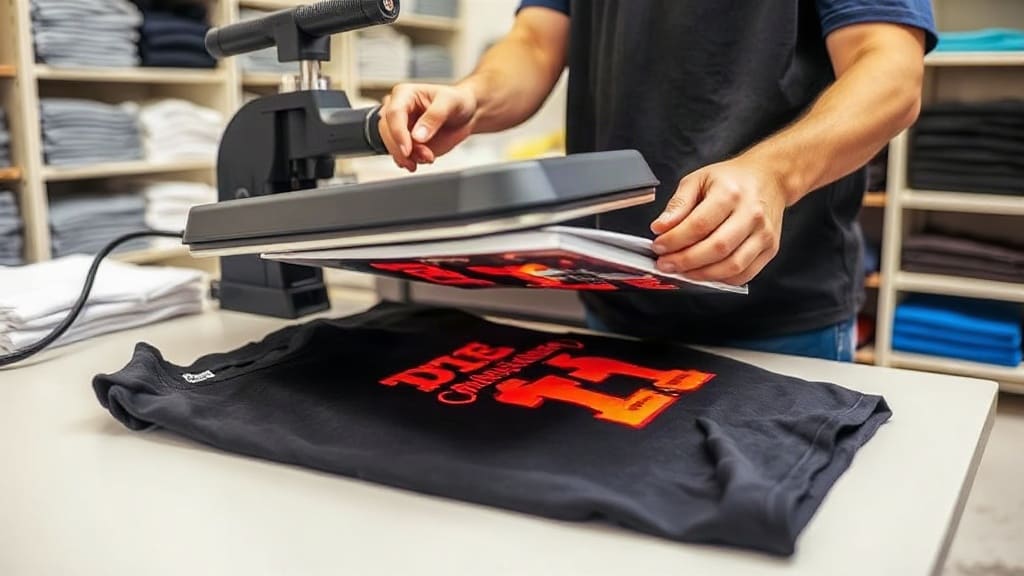
In the ever-evolving world of custom apparel, a new technology has been making waves and transforming how we create personalized garments: DTF transfers. Whether you're a seasoned print shop owner or a DIY enthusiast looking to make custom shirts from home, this method offers a compelling combination of quality, affordability, and versatility that traditional methods like screen printing or heat transfer vinyl (HTV) often struggle to match. As someone who has spent years in the printing industry, I've witnessed firsthand the shift toward DTF, and I'm here to tell you why it's not just a passing trend but the future of customization.
When I first started experimenting with DTF, I was skeptical. After all, screen printing had been the gold standard for decades, and HTV had its loyal followers. But after producing hundreds of prints with DTF, I can confidently say that the results are stunning. The colors are vibrant, the details are crisp, and the durability is impressive. But what truly sets DTF apart is its incredible adaptability. You can print on almost any fabric, from cotton to polyester to blends, without worrying about pre-treatment or special considerations. This flexibility alone makes it a game-changer for businesses that need to offer a wide range of products.
In this article, I'll break down exactly why DTF transfers are becoming the go-to choice for custom apparel. We'll explore the technology behind it, compare it to other methods, and discuss the practical benefits that make it ideal for both small startups and large operations. By the end, you'll have a clear understanding of why DTF is worth your attention and how you can leverage it to elevate your custom printing game.
What Are DTF Transfers?
Before diving into the advantages, let's clarify what DTF stands for: Direct to Film. It's a printing process where a design is printed onto a special film using a DTF printer, then transferred onto a substrate (usually fabric) using a heat press. Unlike direct-to-garment (DTG) printing, which prints directly onto the shirt, DTF involves a two-step process: print to film, then transfer to garment.
The process begins with printing the design in reverse onto a PET film using CMYK+white inks. After that, a powdered adhesive is applied to the wet ink, and the film is dried. To transfer, you place the film on the fabric, apply heat and pressure with a heat press, and then peel away the film, leaving behind a vibrant, durable print.
One of the reasons DTF transfers have gained such popularity is that they allow for printing on a wide variety of fabrics without the need for pre-treatment. This is a significant advantage over DTG, which typically only works well on 100% cotton and requires pre-treatment for better results. With DTF, you can print on cotton, polyester, nylon, and even leather, making it incredibly versatile.
The Advantages of DTF Over Traditional Methods
Now, let's get into the nitty-gritty of why DTF is superior in many ways. I've used screen printing, DTG, and HTV extensively, and each has its place, but DTF has a unique set of benefits that are hard to ignore.
Vibrant Colors and Detailed Prints
With DTF, the color reproduction is outstanding. Because the white ink is printed as a base, colors appear vivid and opaque, even on dark fabrics. This is a common challenge with DTG on dark colors, where you often need multiple passes. DTF delivers consistent, bright colors every time. The resolution is also very high, allowing for intricate details, small text, and fine lines that might be lost with other methods.
Durability That Lasts
One of the biggest concerns with custom prints is how they hold up after repeated washing. In my experience, DTF prints are incredibly durable. The adhesive ensures a strong bond with the fabric, and the inks are resistant to cracking and fading. I've washed DTF shirts numerous times, and they still look as good as the day I printed them. This longevity is essential for customers who want their apparel to withstand regular use.
Versatility Across Fabrics
As mentioned earlier, DTF works on a wide range of materials. This is a huge selling point for businesses that offer customized items beyond t-shirts, such as tote bags, hoodies, or even mouse pads. You can switch between different fabric types without having to adjust your process significantly. For instance, if a customer orders a polyester athletic shirt and a cotton tee, you can print both with the same DTF setup, saving time and money.
Cost-Effective for Small to Medium Runs
Screen printing has a high setup cost, making it economical only for large quantities. DTF, on the other hand, has a much lower upfront cost. There's no need for screens or separate setups per design. You can print a single custom shirt or a batch of fifty with ease. This makes DTF perfect for small businesses, crafters, and even individuals who want to print on demand without breaking the bank.
Quick Production Time
Time is money in the printing world. DTF allows for rapid turnaround. Once you have your design ready, you can print the film and transfer it within minutes. There's no curing time like with screen printing, and you don't have to wait for the garment to dry. This speed is a significant advantage, especially for last-minute orders or events.
How DTF Transfers Compare to Other Methods
Let's put DTF transfers in perspective by comparing them to other popular methods: screen printing, DTG, and HTV.
DTF vs. Screen Printing
Screen printing is still the king for very large runs because the per-unit cost decreases significantly with volume. However, the setup is time-consuming and costly, making it impractical for small orders or full-color designs with many colors. DTF shines in these scenarios. For runs under 100 pieces, DTF is often more cost-effective and offers comparable quality. Plus, DTF doesn't require separate screens for each color, so complex designs are easier and cheaper to produce.
DTF vs. DTG
DTG is fantastic for detailed prints on cotton, but it has limitations. It's slow, as it prints directly onto the garment, and it struggles with non-cotton fabrics. DTF, on the other hand, can print on a variety of fabrics and has a faster production rate for multiple items. While DTG might be better for very large orders on cotton, DTF offers more flexibility and is often preferred for smaller quantities or mixed fabric orders.
DTF vs. HTV
HTV (Heat Transfer Vinyl) is popular for simple designs and single-color text, but it's not ideal for detailed, multicolor graphics. HTV involves cutting vinyl, weeding out the excess, and layering multiple pieces, which is labor-intensive and prone to errors. DTF eliminates all that. You can print a full-color design with gradients and fine details in one go. Plus, DTF prints have a softer feel compared to vinyl, which can be stiff and rubbery.
Why DTF Is a Game-Changer for Small Businesses
If you're running a small custom apparel business, you're always looking for ways to stand out and streamline your operations. DTF offers several benefits that directly impact your bottom line.
Low Startup Costs
Investing in a DTF printer, film, powder, and inks is much cheaper than setting up a screen printing station with all its accessories. You can start with a basic DTF setup for a few thousand dollars, whereas a commercial screen printing press can cost tens of thousands. This low barrier to entry allows more entrepreneurs to enter the market.
Print On Demand Efficiency
With DTF, you can easily offer print-on-demand services. You don't need to hold inventory of pre-printed items. Instead, you can print transfers as orders come in, reducing waste and storage costs. This approach also enables you to offer a wider range of products without committing to bulk orders.
Customization Without Limits
Imagine a customer asking for a unique design with multiple colors and fine details on a polyester jacket. With DTF, you can say yes without hesitation. The ability to handle complex designs on various fabrics opens up new revenue streams. You can cater to niche markets like sports teams, corporate events, or personalized gifts with ease.
Scalability
As your business grows, DTF can scale with you. You can start with a single printer and add more as demand increases. The process is consistent, so you can maintain quality across larger volumes. Plus, you can outsource DTF transfers to specialized providers if you ever face a sudden surge in orders.
Tips for Getting Started with DTF Transfers
If you're convinced that DTF is the way to go, here are some practical tips based on my experience to help you get started on the right foot.
Invest in Quality Materials
The quality of your DTF transfers depends heavily on the film, ink, and adhesive you use. Cheap materials might save you money initially, but they can lead to poor adhesion, cracking, or color issues. I recommend using reputable brands like the ones available at dtfdazzle.com. Their DTF supplies are designed to deliver consistent results.
Master Your Heat Press Settings
Temperature and pressure are crucial for successful transfers. Different fabrics may require slight adjustments. For example, polyester might need a lower temperature than cotton to prevent scorching. Always test on a sample first. I usually start with 320°F for 15 seconds with medium pressure, but you should refer to the film manufacturer's guidelines.
Use High-Resolution Designs
Since DTF can capture amazing detail, it's a shame to waste that potential with low-res graphics. Ensure your designs are at least 300 DPI. If you're creating artwork yourself, use vector files when possible. This will ensure your prints look sharp and professional.
Handle the Film Properly
The PET film is delicate before the transfer. Make sure to store it flat and away from direct sunlight. When peeling, do it carefully and at the right angle to avoid lifting any of the design. Some film types have a hot peel, others a cold peel. Know which one you're using to get the best results.
Keep Your Printer Maintained
DTF printers have inkjets that can clog if not used regularly. Make sure to print at least a test pattern every day, even if you don't have orders. Also, use good quality ink and follow the printer manufacturer's maintenance schedule. I've seen many people struggle with print head issues that could have been avoided with simple upkeep.
Common Mistakes to Avoid When Using DTF Transfers
Even experienced printers can make mistakes. Here are some pitfalls to watch out for:
- Using the wrong side of the film: The film has a shiny side and a matte side. You must print on the shiny side, but I've seen people accidentally print on the matte side, resulting in poor adhesion.
- Not shaking the adhesive powder enough: The powder needs to be evenly distributed. If you don't shake it well, you might get spots with insufficient adhesive, causing the transfer to peel after washing.
- Applying too much pressure: While you need enough pressure for a good bond, too much can cause the design to bleed or distort. Find the sweet spot.
- Ignoring the recommended peel temperature: Some films are hot peel, meaning you peel immediately after pressing, while others require cooling. Mixing them up can result in a damaged design.
By being aware of these common errors, you can save yourself time and frustration. I've made these mistakes, and I've learned from them. Now I want to help you avoid them.
The Environmental Impact of DTF Transfers
In an era where sustainability is increasingly important, it's worth considering the environmental footprint of printing methods. DTF has some advantages here. Unlike screen printing, which uses a lot of water for washing screens, DTF is a relatively dry process. It also produces less waste because you only print what you need, and the film can be recycled in some cases. However, the adhesive powder and PET film are not biodegradable, so proper disposal is essential. Many municipalities now have recycling programs for PET films, so check with your local waste management.
From a business perspective, highlighting these eco-friendly aspects can appeal to environmentally conscious customers. By choosing DTF, you're not only getting great prints but also a method that has a smaller environmental footprint compared to some alternatives.
Case Study: How a Small Business Thrived with DTF
I've seen many success stories with DTF, but one particularly stands out. A friend of mine, Sarah, started a small custom apparel business from her garage. She initially used HTV, but she struggled with intricate designs and couldn't offer full-color prints. After switching to DTF, her business transformed. She now offers custom printed hoodies, tote bags, and even pet apparel. The quality of her prints attracted more customers, and her turnaround time dropped significantly. Within six months, she was able to quit her day job and focus on her business full-time. This is just one example of how DTF transfers can empower entrepreneurs.
Frequently Asked Questions About DTF Transfers
How long do DTF prints last?
With proper care, DTF prints can last as long as the garment itself. They are resistant to cracking and peeling, and the colors stay vibrant. In my tests, I've washed DTF shirts over 50 times with minimal fading. Of course, washing inside out in cold water and air drying can extend the life even further.
Can I make DTF transfers at home?
Yes, you can! While professional DTF printers are available, there are also desktop models suitable for home use. However, you'll need to invest in the equipment and learn the process. If you're just starting, you might consider buying pre-made DTF transfers from suppliers like dtfdazzle.com and using a heat press to apply them. This way, you can test the waters without a large upfront investment.
Do DTF transfers work on dark fabrics?
Absolutely! One of the major advantages of DTF is that the white ink layer acts as a base, making colors pop on dark fabrics. You can print on black shirts without any issues. This is a significant advantage over other methods that require special treatment for dark garments.
Are DTF transfers suitable for bulk orders?
Yes, DTF can handle bulk orders efficiently. Once you have your design set up, you can print multiple films and apply them in quick succession. For very large orders (like 500+ pieces), screen printing might be more cost-effective, but for most small to medium runs, DTF is both fast and affordable.
What is the difference between DTF and sublimation?
Sublimation requires polyester fabric or a polymer coating, and it involves printing with special inks that turn into gas under heat and bond with the fabric. DTF, on the other hand, uses a film and adhesive, so it works on any fabric, including cotton. Sublimation is limited to light-colored polyester items, while DTF is far more versatile.
These questions reflect the common concerns I hear from clients and readers. If you have more specific questions, feel free to reach out to the team at dtfdazzle.com for expert advice.
Conclusion
In summary, DTF transfers are not just a trend; they are a revolutionary technology that has democratized custom apparel printing. With their outstanding quality, versatility, and cost-effectiveness, they offer undeniable advantages over traditional methods. Whether you're a hobbyist looking to create personalized gifts or a business aiming to scale, DTF opens up a world of possibilities.
The future of custom apparel is here, and it's DTF. I encourage you to explore this technology further, experiment with different fabrics and designs, and see the incredible results for yourself. Don't hesitate to invest in quality supplies and take the time to master the process. The rewards are well worth it.
If you're ready to dive into DTF, check out the wide range of printers, films, and accessories at dtfdazzle.com. They have everything you need to start creating stunning, durable prints. Happy printing!