
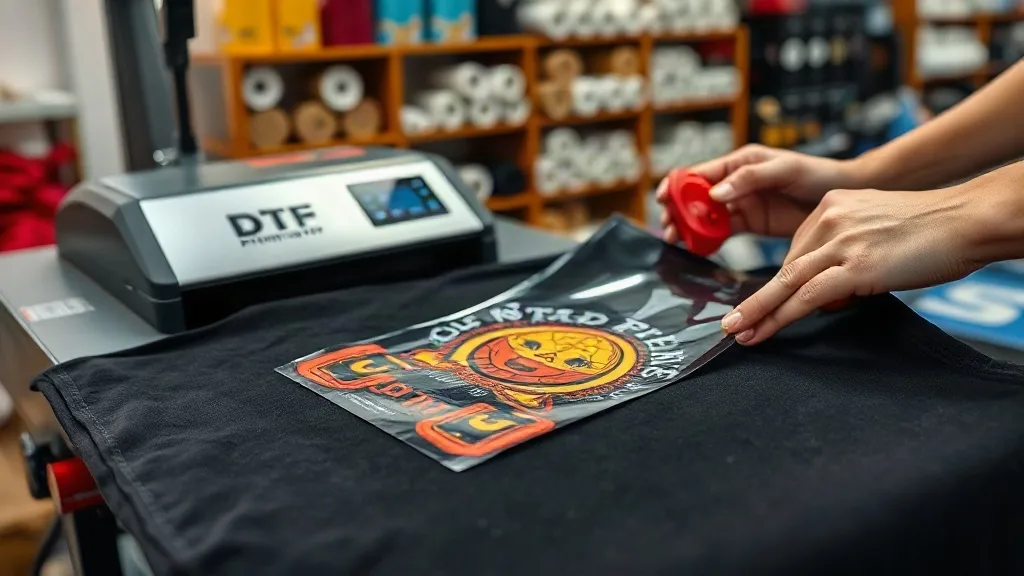
If you've been exploring custom apparel printing, you've likely heard about DTF transfers. This innovative technology is changing the way designers and small business owners approach fabric printing, offering vibrant colors and incredible durability on a wide range of materials. Whether you're a hobbyist looking to personalize gifts or a professional aiming to scale your production, understanding DTF transfers can open up a world of creative possibilities.
In this guide, we'll walk you through everything you need to know about DTF transfers: from the basic principles to practical application tips, and even how to find quality supplies. By the end, you'll have a clear roadmap to start using this game-changing method.
What Are DTF Transfers?
DTF stands for Direct to Film. It's a printing technique where your design is printed onto a special film, then coated with a powder adhesive and heat-pressed onto fabric. Unlike DTG (Direct to Garment) or screen printing, DTF doesn't require pre-treatment of the fabric or specialized equipment beyond a printer and a heat press. This makes it accessible for small-scale operations and home studios.
The process involves printing a mirror image of your design onto a PET film using specialized DTF inks. While the ink is still wet, a hot-melt adhesive powder is applied, which bonds with the ink. After shaking off excess powder, the film is cured (heated) to melt the powder. The resulting transfer can be stored for later use or immediately applied to a garment with a heat press.
The Science Behind the Print
DTF inks are pigment-based and suspended in a resinous carrier. When printed, they form a flexible film that adheres to the fabric via the adhesive powder. This layer acts as a bridge, allowing the ink to bond permanently without soaking into the fibers. That's why DTF works on cotton, polyester, blends, and even tough materials like canvas and denim.
Why Choose DTF Transfers?
There are several compelling reasons to consider DTF for your next project:
- Versatility: Works on almost any fabric, including dark colors and synthetics.
- Durability: Prints resist cracking, fading, and peeling even after multiple washes.
- Vibrancy: Colors pop thanks to the opaque white ink layer that sits beneath the CMYK design.
- No minimums: Unlike screen printing, you can produce a single transfer cost-effectively.
- Easy to use: With a heat press and some practice, anyone can achieve professional results.
For those who demand precision and quality, dtf transfers from reputable suppliers ensure consistent output and reliable performance.
How to Apply DTF Transfers: Step-by-Step
Getting started with DTF is straightforward if you follow the right steps. Here's a simple guide to applying a DTF transfer:
- Preheat your heat press to the recommended temperature (usually around 300°F to 320°F).
- Pre-press the garment for a few seconds to remove moisture and wrinkles.
- Place the transfer onto the fabric with the printed side facing up (the design should be facing you).
- Press with medium pressure for 10-15 seconds.
- Peel the film while it's still hot (hot peel) or after it cools (cold peel), depending on the film type.
- Post-press for another 5 seconds with a protective sheet to ensure adhesion.
Always test on a scrap piece first to dial in the perfect settings for your specific press and materials.
Choosing the Right DTF Supplies
Quality supplies make all the difference. Look for DTF films that are designed for your printer type, and use inks and powders from trusted brands. If you're searching for dtf transfers near me, you'll want to find a supplier that offers consistent quality and quick shipping to keep your projects on track.
When sourcing dtf supplies, consider the following:
- Film thickness: Thinner films conform better to textured fabrics.
- Ink compatibility: Ensure your printer is compatible with DTF inks.
- Powder mesh size: Finer powders create smoother finishes.
Common Challenges and Solutions
Even with the right supplies, you might encounter issues. Here are some common problems and how to fix them:
Transfer Not Adhering Properly
If the transfer peels off, it's usually due to insufficient pressure, temperature, or time. Double-check your heat press settings and ensure even pressure across the platen.
Colors Looking Dull
Dull colors often result from outdated ink or improper curing. Make sure your ink is fresh and that the powder is fully melted during curing.
Film Curling During Printing
High humidity can cause film to curl. Store films in a dry environment and use a dehumidifier if necessary.
DTF vs. Other Printing Methods
How does DTF stack up against DTG and screen printing?
- DTG: Best for 100% cotton, but requires pre-treatment and can be less vibrant on dark shirts.
- Screen Printing: Cost-effective for large orders but has setup costs and limited color gradients.
- DTF: Offers the best of both worlds: vibrant colors on any fabric, no minimums, and easy application.
For small businesses and hobbyists, DTF provides a flexible and affordable entry point into custom apparel.
Tips for Scaling Your DTF Production
As your orders grow, efficiency becomes key. Consider these tips to streamline your workflow:
- Invest in a roll-fed DTF printer for continuous production.
- Use a conveyor dryer or curing oven to speed up powder curing.
- Keep a log of heat press settings for different fabrics to maintain consistency.
- Organize transfers by design and color to reduce errors.
With a bit of planning, you can handle larger volumes without sacrificing quality.
Frequently Asked Questions
What fabrics work best with DTF transfers?
DTF works on a wide range of fabrics, including cotton, polyester, blends, and even leather. It's particularly effective on dark colors and synthetic materials where other methods struggle.
How long do DTF transfers last?
When applied correctly, DTF transfers can last as long as the garment itself. They resist fading, cracking, and peeling even after 50+ washes.
Can I use DTF on items like tote bags and hats?
Absolutely. DTF transfers adhere well to accessories like tote bags, hats, and even shoes, as long as the surface can withstand the heat press temperature.
Do I need special equipment to start with DTF?
You'll need a DTF printer, DTF inks, film, powder, and a heat press. Many starter kits are available that bundle these items for beginners.
Where can I find high-quality DTF transfers?
Look for reputable suppliers like Harwin DTF that offer consistent quality and excellent customer service. You can explore their collection at dtf transfers near me to find options that suit your needs.
With this guide in hand, you're ready to dive into the world of DTF transfers. Whether you're printing for fun or profit, this versatile method offers endless possibilities for creative expression.