
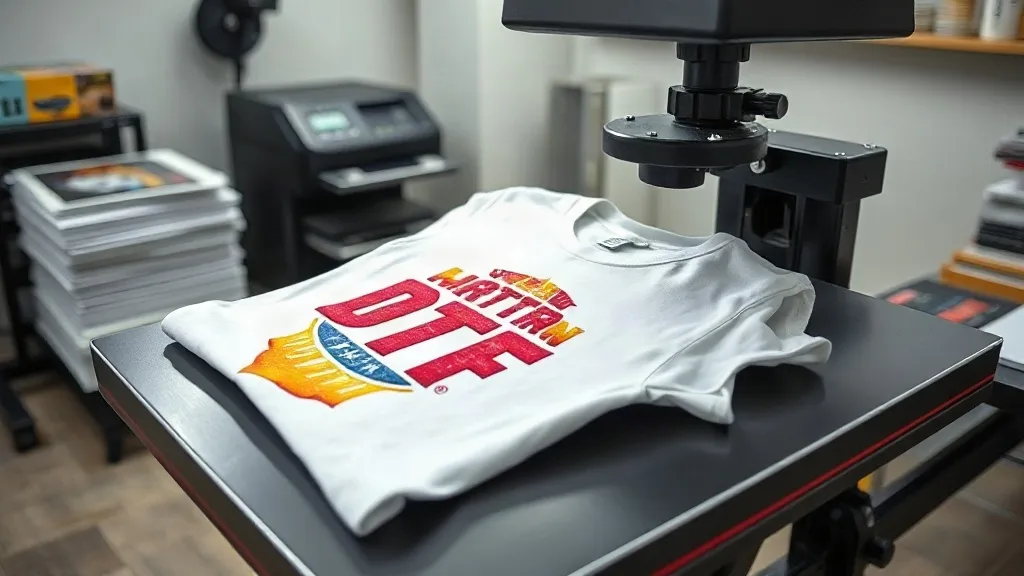
If you've been exploring custom apparel printing, you've likely encountered dtf transfers. This innovative technology is transforming how small businesses, hobbyists, and even large brands produce vibrant, durable designs on fabric. Unlike traditional methods that require expensive equipment or messy processes, DTF (Direct-to-Film) offers a streamlined approach that delivers professional-quality results right from your home or studio. In this guide, we'll break down everything you need to know about DTF transfers, from how they work to practical tips for flawless application.
What Are DTF Transfers?
DTF transfers are a type of heat-applied graphic produced by printing designs onto a special film using dtf printing technology. The process involves printing a mirror-image design onto a PET film, applying a hot-melt adhesive powder, and then curing the powder. The result is a flexible, stretchable transfer that can be heat-pressed onto various fabrics, including cotton, polyester, blends, and even nylon. Because the design is printed on film, it can be stored and used later, making it ideal for on-demand production.
Why Choose DTF Transfers Over Other Methods?
DTF transfers stand out for several reasons. First, they don't require pre-treatment of the fabric, which saves time and avoids potential errors. Second, they work on a wide range of materials, including dark and light colors, without the need for separate white ink layers. Third, the prints are highly durable, resisting cracking, fading, and peeling even after multiple washes. For small businesses, DTF offers a low-cost entry point into custom apparel, as no minimum order quantities are required. You can print one-off designs or small batches without investing in screens or plates.
Cost-Effective for Small Batches
Traditional screen printing becomes cost-prohibitive for small runs because of setup costs. DTF eliminates that barrier, allowing you to produce single items or short runs economically. This is a game-changer for entrepreneurs testing new designs or for promotional events where you need just a few shirts.
Versatility Across Fabrics
Whether you're working with 100% cotton tees, polyester jerseys, or canvas tote bags, DTF transfers adhere well and maintain their vibrancy. The adhesive powder creates a strong bond that flexes with the fabric, reducing the risk of cracking.
How to Apply DTF Transfers: Step-by-Step
Applying DTF transfers is straightforward if you follow the right steps. Here's a quick guide to ensure professional results:
- Preheat your heat press to 325°F (160°C) and set the pressure to medium-high.
- Pre-press the garment for 5-10 seconds to remove moisture and wrinkles.
- Place the transfer on the fabric with the printed side facing up.
- Press for 10-15 seconds with firm pressure.
- Peel the film while it's still warm (hot peel) in a smooth, continuous motion.
- Post-press the design for another 5 seconds with a Teflon sheet or parchment paper to protect it.
Always test on a scrap piece of fabric first to dial in your press settings. Different fabrics may require slight adjustments in temperature or pressure.
Common Mistakes to Avoid
Even though DTF is forgiving, some pitfalls can affect the outcome. Avoid these common errors:
- Insufficient pressure: Leads to poor adhesion and early peeling.
- Pressing too long: Can cause the adhesive to over-melt and bleed into the fabric.
- Cold peel: Peeling after the transfer cools can result in the design lifting or distorting.
- Ignoring fabric type: Always check the manufacturer's recommendations for temperature settings.
By steering clear of these mistakes, you'll achieve consistent, long-lasting results.
Finding Quality DTF Transfers
If you're not ready to invest in a DTF printer, you can order custom transfers from specialized providers. When searching for dtf transfers near me, look for companies that offer fast turnaround, vibrant colors, and durable prints. Many online services allow you to upload your design, choose the size, and receive ready-to-press transfers within days. This is an excellent option for those who want to focus on design and marketing rather than production logistics.
DTF vs. Other Printing Methods
How does DTF compare to vinyl, screen printing, or DTG? Each method has its strengths. Vinyl is great for simple one-color designs but limited in complexity. Screen printing excels for large orders with few colors but has high setup costs. DTG (Direct-to-Garment) is ideal for detailed, full-color prints on cotton but requires pre-treatment and can be less durable on synthetics. DTF bridges the gap: it handles intricate designs, works on diverse fabrics, and requires minimal setup. The table below summarizes the key differences.
| Method | Best For | Fabric Compatibility | Setup Cost |
|---|---|---|---|
| DTF | Small batches, complex designs | Wide range | Low |
| Screen Printing | Large orders, simple designs | Limited | High |
| DTG | Cotton, detailed prints | Cotton-heavy | Medium |
| Vinyl | Simple text/shapes | Limited | Low |
Frequently Asked Questions
How long do DTF transfers last?
With proper application and care, DTF transfers can last as long as the garment itself. They resist fading, cracking, and peeling through dozens of washes. Always wash inside out in cold water and avoid harsh detergents.
Can I use DTF transfers on dark shirts?
Absolutely. DTF transfers include a white ink layer that makes colors pop on dark fabrics. You don't need to adjust your design; it will appear vibrant and opaque.
Do I need a special printer for DTF?
Yes, DTF printing requires a printer that uses DTF inks and a film substrate. However, if you don't want to invest in one, you can order transfers from professional DTF services.
What is the best way to store DTF transfers?
Store unused transfers in a cool, dry place away from direct sunlight. Keep them flat to prevent creasing. Properly stored transfers can last for several months.
Can DTF transfers be applied to 100% polyester?
Yes, DTF works well on polyester and polyester blends. However, because polyester is heat-sensitive, use a lower temperature (around 300°F) and press for a shorter time to avoid scorching.