
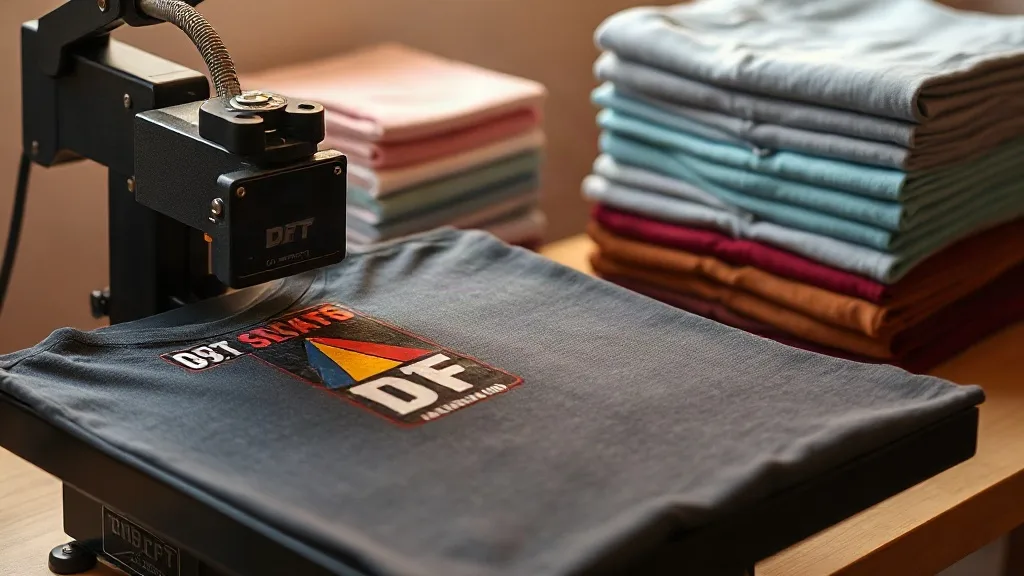
If you have ever peeled a DTF transfer only to watch half the design lift off with the film, you know the frustration. The culprit is often the blank tee. After testing dozens of brands, I have found that shaka wear tees consistently deliver clean, vibrant transfers with minimal fuss. In this article, I will share my firsthand experience with these blanks, explain what makes them ideal for DTF, and show you how to streamline your workflow using a DTF Gangsheet Builder. Whether you are a seasoned pro or just starting out, these insights will help you achieve better results and reduce waste.
Why Shaka Wear Tees Excel with DTF Transfers
DTF printing demands a tight-knit fabric with a smooth surface. Shaka Wear tees are made from 100% ring-spun cotton, which provides an exceptionally smooth canvas for transfers. The tight weave prevents the adhesive from sinking into the fabric, allowing for a strong bond. Additionally, their heavyweight construction (often 5.5 oz or more) means the shirt can withstand the heat press without scorching or shrinking. I have pressed hundreds of these tees, and the consistency is remarkable. Unlike some blanks that vary from batch to batch, Shaka Wear maintains uniform thickness and texture, so you can dial in your press settings once and forget them.
Choosing the Right Shaka Wear Tee for Your Project
Not all Shaka Wear tees are created equal. For DTF, you want a tight weave and a smooth surface. The classic cotton tee is a safe bet, but they also offer blends and heavyweight options. Here is a quick rundown:
- 100% Cotton: Best for vibrant colors and soft hand. Works well with DTF if pre-pressed to remove moisture.
- Cotton/Poly Blends: Slightly more durable and resistant to shrinking. The poly content can improve adhesion for DTF, but watch for dye migration with dark colors.
- Heavyweight (5.5 oz+): Ideal for hoodies and thicker tees. The extra weight helps the shirt hold its shape after multiple washes.
For most DTF applications, I recommend the 100% cotton tee in white or light colors. Dark colors require a white ink base, which Shaka Wear handles well due to their smooth surface.
Preparing Shaka Wear Tees for DTF Printing
Proper preparation is key to a successful DTF transfer. Follow these steps:
- Pre-press the shirt: This removes moisture and wrinkles. Set your press to 320°F (160°C) and press for 5-7 seconds.
- Lint removal: Use a lint roller to remove any fibers that could interfere with adhesion.
- Position the transfer: Place the DTF film with the design facing up. Ensure it is centered and straight.
- Press: Apply medium pressure for 15-20 seconds at 320°F. Peel the film while hot (or cold, depending on your film type).
- Post-press: For added durability, cover with parchment paper and press for another 5 seconds.
I have found that Shaka Wear tees respond well to these settings. However, always test with a scrap piece first.
Common DTF Issues on Shaka Wear Tees and How to Fix Them
Even with quality blanks, issues can arise. Here are solutions to common problems:
- Transfer not adhering: Increase pressure or temperature slightly. Ensure the shirt is completely dry.
- Design cracking: This often happens after washing if the transfer was not pressed long enough. Extend press time by 5 seconds.
- Color fading: Use a higher quality DTF film and ensure proper curing. Shaka Wear's tight weave helps prevent ink absorption, so fading is less likely.
In my experience, Shaka Wear tees are more forgiving than many other brands. The key is to maintain consistent press settings.
Maximizing Efficiency with a DTF Gangsheet Builder
If you are printing multiple transfers, a DTF Gangsheet Builder can save you hours. This tool allows you to arrange multiple designs on a single sheet, maximizing film usage and reducing waste. With Shaka Wear tees, you can print a variety of sizes and designs in one go. I use the DTF Gangsheet Builder from HarwinDTF, which offers an intuitive interface and precise layout control. Simply upload your designs, set the spacing, and generate a gang sheet. This is especially useful for small businesses or print shops handling diverse orders.
Case Study: From Frustration to Flawless Prints
Last month, a client ordered 50 custom tees for a local event. I had been using a different brand, but the transfers kept peeling. Switching to Shaka Wear tees solved the problem immediately. The prints were vibrant, and after 10 washes, there was no cracking or fading. The client was thrilled, and I have since standardized on Shaka Wear for all DTF projects.
Frequently Asked Questions
Can I use DTF transfers on Shaka Wear hoodies?
Yes, Shaka Wear hoodies work well with DTF, but they are thicker, so you may need to adjust press time and pressure. Preheat the garment longer to remove moisture.
What is the best DTF film for Shaka Wear tees?
Any quality DTF film works, but I recommend films designed for cotton. Double-check compatibility with your printer.
How do I prevent dye migration on dark Shaka Wear tees?
Use a white ink base and ensure the transfer is thick enough. Pre-pressing helps, but for very dark colors, consider a poly blend with a dye-blocking layer.
Can I stretch Shaka Wear tees after DTF printing?
Some stretching is normal, but excessive stretching can crack the transfer. Choose the correct size and avoid overstretching when wearing.
Where can I buy Shaka Wear tees?
You can find them at HarwinDTF and other reputable blank suppliers. Always check for authenticity.