
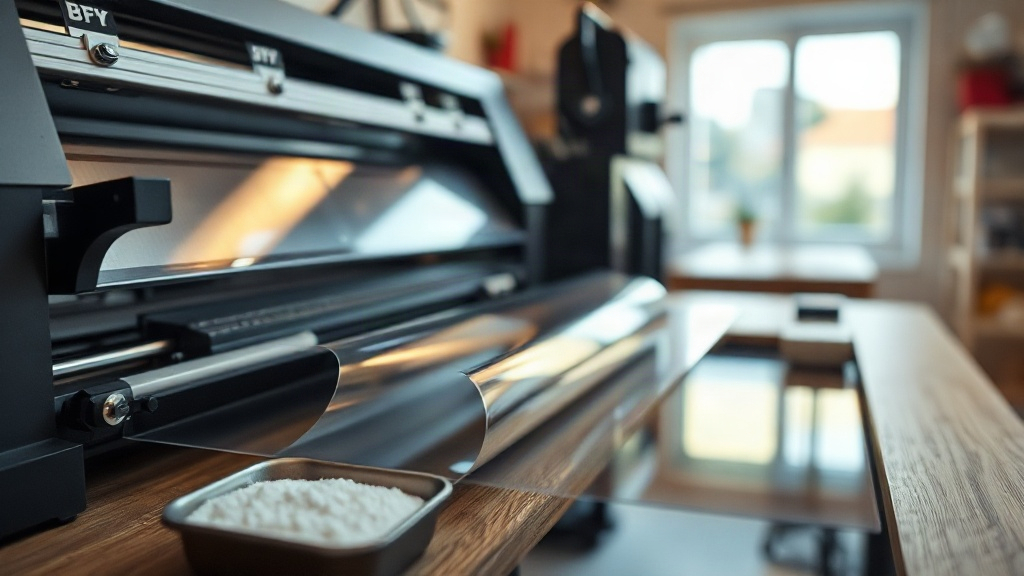
If you have spent any time in custom apparel circles lately, you have probably heard the term DTF thrown around. It stands for direct-to-film, and it has quietly become one of the most flexible ways to put full-color graphics onto fabric. Unlike methods that demand specific materials or expensive setup, DTF printing works on cotton, polyester, blends, and even tricky fabrics like nylon or canvas. That versatility is exactly why small print shops, crafters, and large production houses are all paying attention.
This guide walks through what DTF printing actually is, how the process unfolds from design to finished shirt, and the mistakes that trip up beginners. By the end, you should have a clear picture of whether it fits your next project.
What Is DTF Printing and How Does It Work?
Direct-to-film is a transfer-based printing method. Instead of printing directly onto a garment, the design is printed onto a special PET film, coated with a hot-melt adhesive powder, and then heat-pressed onto the fabric. The ink sits on top of the adhesive layer, which bonds to the textile when heat and pressure are applied.
The workflow has four main stages:
- Design preparation. Artwork is set up in RIP software, mirrored, and adjusted for color and white ink layering.
- Printing. A DTF printer lays down CMYK inks plus a white base layer onto the film.
- Powdering and curing. Adhesive powder is shaken over the wet print, excess is removed, and the film is cured until the powder melts into a gel.
- Transfer. The film is pressed onto the garment at a set temperature and time, then peeled once cool or warm depending on the film type.
Each stage matters. Skip the curing step or use the wrong powder and the print will crack or wash out within a few cycles.
Why DTF Stands Out From Other Transfer Methods
Screen printing, DTG, sublimation, and vinyl all have strengths, but DTF fills a specific gap. Here is how it compares in practice.
Fabric versatility
DTG works best on 100% cotton. Sublimation requires polyester or a poly-coated surface. Vinyl is limited in color and detail. DTF handles virtually any fabric that can take heat, which means one process covers most of your inventory.
Color and detail
Because DTF uses CMYK plus white, it can reproduce gradients, fine lines, and photographic images without the color-count headaches of screen printing. There is no per-color setup cost, so short runs with complex art become practical.
Durability
A properly applied DTF transfer stretches with the fabric and resists cracking better than many heat-transfer vinyl options. Wash tests typically show it holding up past 50 cycles when the press settings are right.
Cost profile
There are no screens to burn and no minimum order quantity. For one-off shirts or small batches, DTF often beats screen printing on total cost. For huge runs of a single design, screen printing can still win on unit price.
Setting Up Your First DTF Print
Getting a clean result comes down to a few controllable variables. Nail these and the rest falls into place.
Choose the right film and powder
Not all PET film is equal. Cheaper films can warp under high heat or leave a plastic feel. Match your powder to your ink type, since TPU and polyamide powders behave differently in the wash.
Dial in printer settings
White ink density is the single biggest lever. Too little white and colors look dull on dark garments. Too much and the transfer feels thick. Most shops start with a white layer around 80 to 100 percent and adjust from there.
Control the curing step
Powder needs enough heat to melt but not so much that the film curls. A dedicated curing oven gives more consistent results than a heat gun, especially once you are producing more than a few transfers a day.
Press with intention
Typical press settings land around 150 to 160 degrees Celsius for 10 to 15 seconds at medium pressure. Always test on a scrap garment first, because fabric thickness changes how heat travels.
Common DTF Mistakes and How to Avoid Them
Most problems trace back to a handful of causes. Here are the ones I see most often.
- Peeling too early or too late. Follow the film manufacturer's peel temperature. Cold peel films will smear if pulled hot.
- Uneven pressure. A press with a worn platen or uneven clamp leaves patches that lift after washing.
- Skipping the pre-press. Moisture in the garment turns to steam and traps under the transfer, causing bubbles.
- Over-stretching during application. Pulling the film while it is hot distorts fine detail.
- Storing transfers incorrectly. Keep unused film flat, dry, and away from direct sun to prevent the powder from clumping.
Each of these is fixable with a small adjustment rather than new equipment. Keep a notebook of settings per fabric and you will stop repeating the same issues.
Where DTF Works Best (and Where It Doesn't)
DTF shines for small-batch custom apparel, team uniforms, sample runs, and designs with lots of colors or photographic elements. It is also a strong fit for hard-to-print fabrics like canvas totes or nylon jackets.
It is less ideal when you need a super-soft hand feel on lightweight summer shirts, since even a thin transfer adds some texture. For extremely high-volume single-design orders, screen printing usually wins on cost per unit. And if you are printing on heat-sensitive synthetics, you may need low-temperature film and powder to avoid scorching.
Frequently Asked Questions About DTF Printing
How long does a DTF transfer last on a shirt?
With correct press settings and proper washing, most DTF transfers last through 50 or more wash cycles. Turn the garment inside out, use cold water, and avoid high-heat drying to extend the life significantly.
Can I use DTF on 100% polyester?
Yes, and it generally performs well. The main caution is heat sensitivity. Lower the press temperature slightly and test a scrap piece first, because some polyester blends can scorch or glaze at standard settings.
Do I need a special printer for DTF?
You need a printer designed for DTF inks, typically a modified inkjet with a white ink channel and a recirculation system. Standard desktop printers cannot handle the pigment and white ink required for this process.
Is DTF cheaper than screen printing?
For small runs and multi-color designs, yes. There is no screen setup cost, so a single shirt costs roughly the same as fifty. For large runs of one design, screen printing usually becomes cheaper per unit.
What temperature should I press DTF transfers at?
Most films call for 150 to 160 degrees Celsius for 10 to 15 seconds at medium pressure. Always follow the film supplier's spec, since peel type and adhesive composition vary between brands.
Final Thoughts
DTF printing has earned its place because it solves real problems: fabric flexibility, full-color detail, and low minimums. The learning curve is mostly about discipline in the prep and press stages. Once you have your settings documented per fabric, the process becomes repeatable and reliable.
If you are just starting out, buy a small batch of film and powder, run tests on a few fabric types, and record what works. That habit will save you more time than any single piece of equipment.