
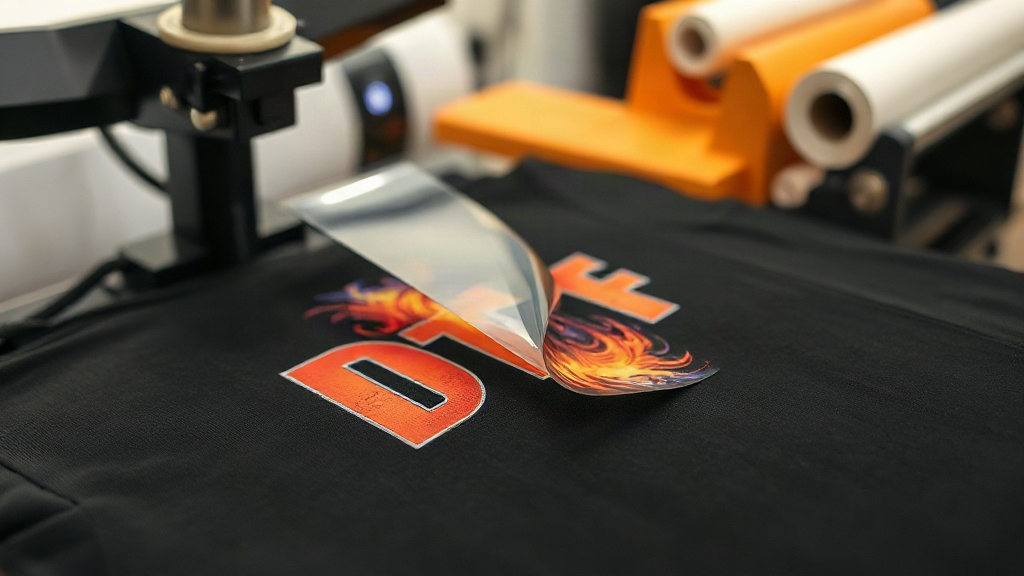
If you've been anywhere near the custom apparel scene lately, you've likely heard the buzz about DTF printing. Short for Direct-to-Film, this technology is quickly becoming the go-to method for creating vibrant, durable transfers that work on almost any fabric. Whether you're a small business owner looking to expand your product line or a hobbyist wanting to personalize your own gear, understanding DTF printing can open up a world of possibilities. In this guide, we'll walk you through everything you need to know about DTF printing, from the basics to advanced tips, so you can decide if it's right for you.
What is DTF Printing?
DTF printing stands for Direct-to-Film. It's a printing process where your design is printed onto a special film, coated with a powder adhesive, and then heat-pressed onto the fabric. Unlike DTG (Direct-to-Garment) printing, which requires the garment to be pre-treated and printed directly, DTF transfers are printed separately and can be stored for later use. This makes DTF incredibly versatile and efficient, especially for small batches or on-demand production.
How Does DTF Printing Work?
The DTF process involves several key steps:
- Design Preparation: Your artwork is prepared digitally, usually with a transparent background. The colors are vibrant and can include fine details.
- Printing: A specialized DTF printer lays down a layer of white ink, followed by the colored inks, onto a PET film. The white ink acts as a base, allowing the colors to pop on any fabric color.
- Powdering: While the ink is still wet, a hot-melt adhesive powder is applied evenly over the printed area. Excess powder is shaken off.
- Curing: The film is then heated to melt the powder, creating a dry, tacky adhesive layer. This can be done with a heat press or a curing oven.
- Transfer: Once cured, the transfer is ready to be applied. You simply place it on the fabric and heat press it at the recommended temperature and pressure. After peeling the film, your design is permanently bonded to the garment.
Why Choose DTF Printing?
There are plenty of reasons why DTF printing has become so popular. Here are some of the biggest advantages:
- Works on Almost Any Fabric: Unlike some methods that struggle with cotton blends or synthetic materials, DTF transfers adhere well to cotton, polyester, nylon, leather, and more.
- No Pre-Treatment Needed: You don't have to pre-treat shirts or other items, saving time and money.
- Vibrant Colors and Fine Details: DTF printing can reproduce complex designs with gradients, shadows, and fine lines without losing quality.
- Durable and Washable: When applied correctly, DTF transfers can withstand dozens of washes without cracking or fading.
- Cost-Effective for Small Runs: Since you can print transfers on demand, there's no minimum order quantity, making it perfect for one-off projects or small businesses.
- Easy to Store and Ship: Printed transfers are lightweight and can be stored for months, allowing you to print when you have time and apply when you get orders.
Applications of DTF Printing
DTF printing isn't just for t-shirts. Its versatility means it can be used on a wide range of items:
- Apparel: T-shirts, hoodies, jeans, jackets, and even activewear.
- Accessories: Tote bags, hats, socks, and shoes.
- Home Decor: Pillows, blankets, and canvas prints.
- Promotional Items: Corporate giveaways, event merchandise, and team uniforms.
If you can heat press it, you can probably DTF it.
DTF vs. Other Printing Methods
How does DTF stack up against other popular printing techniques? Let's compare:
DTF vs. DTG
DTG printing is great for 100% cotton garments and can produce soft-hand prints. However, it requires pre-treatment, and the colors may not be as vibrant on dark fabrics. DTF transfers, on the other hand, don't need pre-treatment, work on more materials, and often have a more opaque finish. DTG is better for direct printing on demand, while DTF is more versatile for transfers.
DTF vs. Screen Printing
Screen printing is cost-effective for large orders of the same design, but it involves a lengthy setup process with screens and inks. DTF printing requires no screens, making it ideal for small batches or designs with many colors. However, screen printing can be more durable for very high-volume runs.
DTF vs. Vinyl
Heat transfer vinyl (HTV) is great for simple designs but can be time-consuming to weed, and it struggles with complex, multi-color images. DTF transfers can handle intricate details and full-color graphics without any weeding.
Getting Started with DTF Printing
Ready to dive into DTF printing? Here's what you'll need:
- DTF Printer: A dedicated printer that uses DTF inks. These can range from desktop models to industrial machines.
- DTF Inks: Specially formulated inks that include white ink for the base layer.
- PET Film: The transfer film that holds the printed design.
- Adhesive Powder: The hot-melt powder that bonds the design to the fabric.
- Heat Press: A reliable heat press is crucial for both curing the powder and applying the transfer.
- Design Software: Any graphic design software like Photoshop or Illustrator will work.
If you're not ready to invest in a printer, you can also buy pre-printed DTF transfers from suppliers like DTF Dazzle. This is a great way to test the waters before committing to the equipment.
Tips for Successful DTF Printing
To get the best results with DTF printing, keep these tips in mind:
- Use High-Quality Files: Start with a high-resolution image (300 DPI or higher) for crisp prints.
- Adjust Your Printer Settings: Each printer and ink set may require specific settings for optimal ink laydown.
- Apply Powder Evenly: Too much powder can cause a rough texture; too little can lead to poor adhesion.
- Cure Properly: Follow the manufacturer's recommendations for curing temperature and time. Under-curing can cause the transfer to peel.
- Press with Consistent Pressure: Use a heat press that provides even pressure across the entire transfer.
- Peel at the Right Temperature: Some films are hot-peel, others cold-peel. Know which type you're using.
- Wash Inside Out: To extend the life of your DTF prints, wash garments inside out in cold water and avoid harsh detergents.
Common Challenges and Solutions
Like any printing method, DTF can have its quirks. Here are some common issues and how to fix them:
Transfer Not Adhering
If your transfer peels off, it could be due to insufficient pressure, incorrect temperature, or under-curing. Double-check your heat press settings and ensure the powder is fully melted.
Colors Look Dull
Dull colors might mean your white ink layer is too thin or the powder isn't applied evenly. Try increasing the white ink density or applying more powder.
Film Sticking to the Press
This can happen if you're pressing at too high a temperature or using the wrong peel method. Try lowering the temperature or waiting a few seconds before peeling.
Is DTF Printing Right for You?
DTF printing is a fantastic option for anyone looking to create high-quality, durable transfers on a variety of fabrics. It's especially beneficial for small businesses, crafters, and anyone who wants to offer custom apparel without the complexity of other methods. If you're considering adding DTF to your workflow, start by experimenting with pre-made transfers from a reputable supplier. Once you see the results, you might just be hooked.
Frequently Asked Questions
What fabrics can I use with DTF transfers?
DTF transfers work on a wide range of fabrics, including cotton, polyester, blends, nylon, leather, and even some treated woods. They are not recommended for fabrics with a heavy texture or those that cannot withstand heat.
How long do DTF transfers last?
When applied correctly, DTF transfers can last for 50+ washes. Proper care, such as washing inside out and avoiding high heat when drying, will extend their life.
Can I print DTF transfers at home?
Yes, you can print DTF transfers at home with a dedicated DTF printer, film, powder, and a heat press. However, it requires an initial investment and some practice to master the process.
Do I need special ink for DTF printing?
Yes, DTF printing requires special DTF inks, including white ink for the base layer. These inks are formulated to work with the powder adhesive and provide vibrant colors.
Where can I buy DTF transfers?
You can buy custom DTF transfers from online suppliers like DTF Dazzle. They offer high-quality transfers with no minimum order, perfect for testing or small projects.